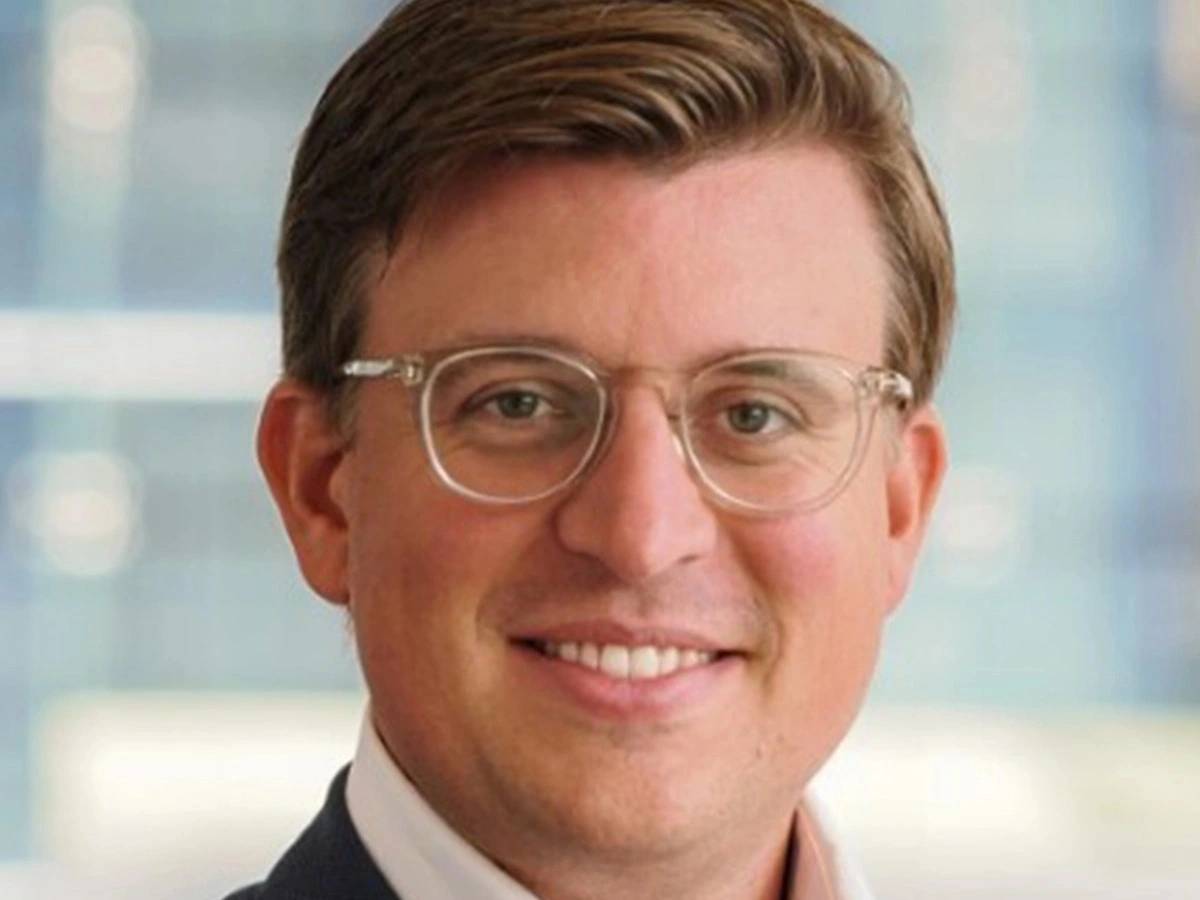
John Darsie
John Darsie is an American finance executive who serves as the Chief Executive Officer of the global events platform SALT and as a Partner at the alternative investment firm SkyBridge Capital. He is known for his work at the intersection of traditional finance and the digital asset industry, focusing on digital asset strategy, investor engagement, and global business development. A native of North Carolina, Darsie has been an active figure during the institutional adoption phase of cryptocurrencies. [1] [2]
Education
Darsie attended Emory University's Goizueta Business School, where he earned a Bachelor of Business Administration (B.B.A.) in 2009. His studies focused on Finance & Information Systems as well as Business Administration and Management. [3]
Career
Darsie began his career in finance in 2009 at T3 Trading Group, where he served as Vice President for five years. In this role, he supported the firm's proprietary trading and hedge fund operations and contributed to the creation of its internal investment research platform. He joined SkyBridge Capital in 2015 as a Vice President, focusing on the firm's business development and strategic growth initiatives. In 2017, he became a Director at Hightower Advisors, where he spent a year gaining experience within the Registered Investment Advisor (RIA) sector.
In 2018, Darsie returned to SkyBridge Capital as a Partner, taking on a leadership role in strategic business development with a particular focus on the firm's digital asset strategy and investor relations. That same year, he was appointed Chief Executive Officer of SALT, a global thought leadership and events platform that was founded by SkyBridge in 2009 but operates as a separate entity. As CEO of SALT, he oversees the planning and execution of its global conference series and associated technology initiatives, which are designed to connect institutional investors, asset managers, and technology entrepreneurs. [2] [3]
Interviews
Wall Street to Bitcoin
In an October 2025 interview on the Space Monkeys podcast, Darsie discussed investment strategies in the context of inflation, describing equities as a traditional hedge and cryptocurrencies such as Bitcoin as alternative assets with high return potential. He outlined SkyBridge’s approach to remaining invested in risk assets during inflationary periods and referenced dollar-cost averaging as a common strategy. Darsie described the firm’s entry into cryptocurrency investing during the COVID-19 pandemic, initially viewing Bitcoin as a store of value before expanding into other digital assets. He addressed SkyBridge’s past collaboration with Sam Bankman-Fried and noted the firm’s early identification of projects such as Polkadot, Solana, and Avalanche, explaining that investment decisions were based on factors including decentralized governance, community strength, and technical fundamentals. The conversation also covered emerging blockchain concepts such as proof of personhood and their potential implications for identity verification. Darsie concluded by discussing SkyBridge’s role in hosting industry events through the SALT conference series, aimed at connecting traditional finance with digital assets, and shared plans for future conferences in locations including London and Jackson Hole. [6]
Crypto’s New Power Center
In an August 2025 interview on the Talking Tokens podcast, Darsie discussed the crypto industry’s struggle with negative public perceptions and the growing need for coordinated public relations and political engagement to counter narratives linking crypto to criminal activity. He described shifting institutional attitudes toward digital assets following recent regulatory developments and Bitcoin’s performance, noting increased participation from traditional finance players at the Wyoming Blockchain Symposium. Darsie contrasted earlier, more exuberant crypto events with the symposium’s serious, regulation-focused tone, emphasizing the importance of bridging traditional finance with emerging digital technologies to improve the financial system. He highlighted active engagement from federal officials, including SEC Chair Paul Atkins, as a sign of improved collaboration between regulators and the industry. Looking ahead, Darsie outlined SkyBridge’s plans to enable more direct digital asset investments, prioritize high-quality industry events, and expand initiatives such as Salt London to reach broader audiences interested in regulation and crypto investing. [8]
Integrating Bitcoin Globally
In a February 2025 fireside chat at the Bitcoin Conference MENA, Darsie discussed Bitcoin’s evolving role in the global financial system alongside Dylan LeClair and George Mekhail. Darsie compared Bitcoin to digital gold, describing it primarily as a store of value with potential to expand into broader trade functions, while stressing that regulatory clarity in the U.S. is critical for global adoption. He identified regulatory complacency as a future risk, arguing that earlier strict oversight may have ultimately protected the industry from larger-scale fraud. The panel also explored current market sentiment, institutional investment trends, and the growing expectation for financial advisers to hold Bitcoin exposure. Darsie and LeClair addressed Bitcoin’s inherent volatility, emphasizing that investors must accept price swings as a defining feature of the asset, and concluded by discussing potential technical risks, advocating for cautious development changes within the network. [5]
Bitcoin ETF
In a June 2022 interview with CoinDesk, Darsie discussed SkyBridge Capital’s efforts to file for a spot Bitcoin ETF and the regulatory challenges posed by the U.S. Securities and Exchange Commission. He noted that the SEC’s consumer protection mandate could support approval, particularly by converting products like the Grayscale Bitcoin Trust into ETFs to improve market structure. Darsie addressed concerns around market manipulation, arguing that futures-based ETFs may present greater risks than spot products, and suggested that growing consumer demand could eventually influence regulatory policy, similar to past shifts in other industries. He also commented on broader market conditions, citing high short interest as a possible indicator of a market bottom, while acknowledging risks from distressed firms such as Celsius and Three Arrows Capital. The discussion touched on FTX’s role as a potential industry backstop at the time, the impact of ETF outflows on Bitcoin pricing, and the ongoing volatility of the crypto market, emphasizing cautious optimism about long-term adoption despite short-term instability. [9]