0% read
Last updated:
Vivek Raman
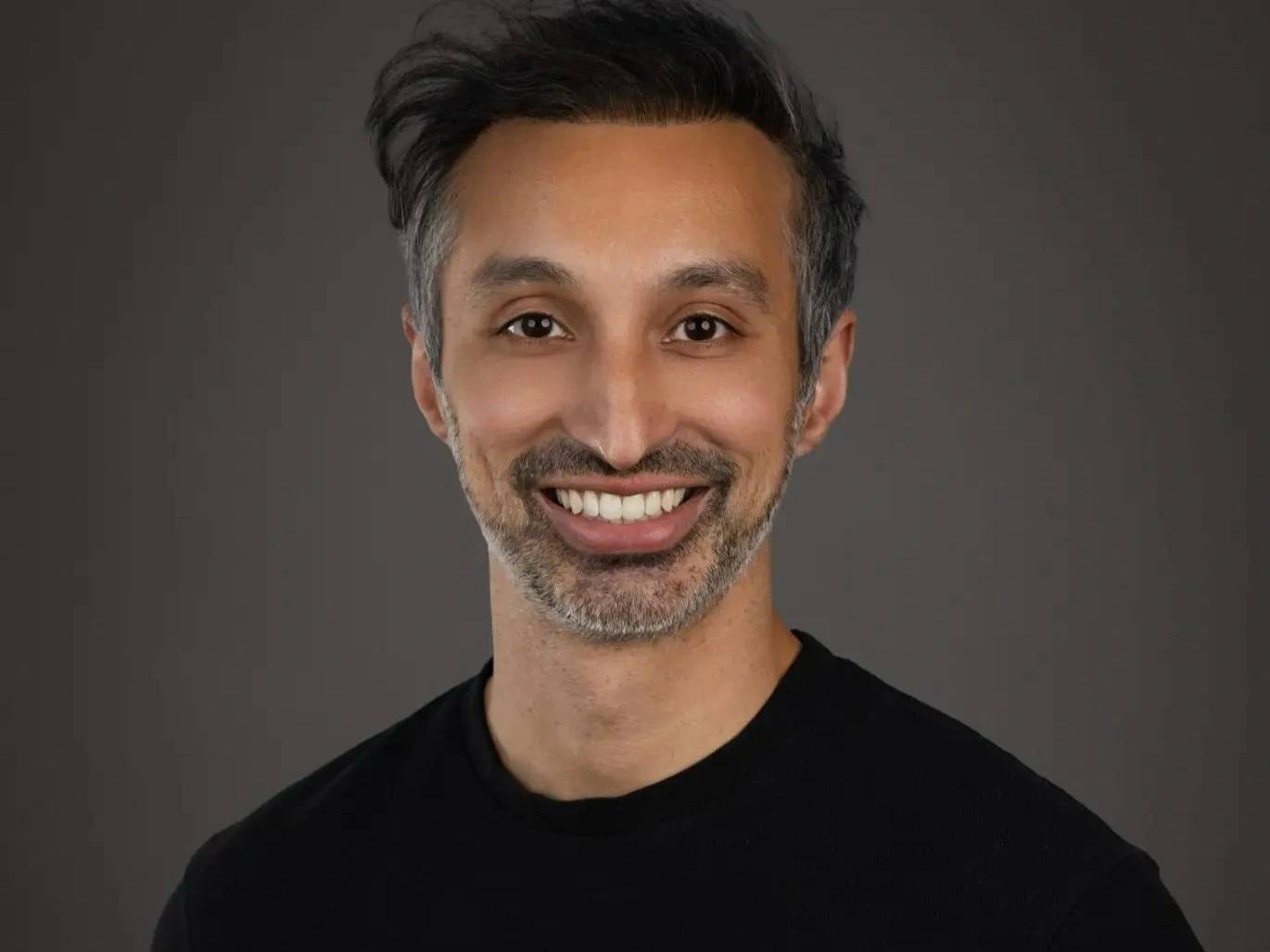
Vivek Raman is a blockchain and finance professional who transitioned from a twelve-year career on Wall Street to focus on the institutional adoption of Ethereum. He is the co-founder and Chief Executive Officer (CEO) of Etherealize, a company building financial infrastructure to connect traditional finance with decentralized finance (DeFi) and tokenized assets. [1]
Education
Raman graduated from Yale University in 2010, where he earned a Bachelor of Arts degree in Economics. [2]
Career
Raman began his career at Morgan Stanley in 2010, where he worked in credit research before moving into high-yield credit trading. In 2012, he co-founded Resinvest, a residential real estate platform, and served as managing partner. During the same period, he also co-founded NiteEvo and acted as chief financial officer. From 2016 to 2017, he held senior trading roles in high-yield and distressed credit at UBS and Deutsche Bank, followed by a vice president position in credit trading at Nomura from 2018 to 2019, where he focused on high-yield, stressed, and distressed credit. In 2022, he joined BitOoda as managing director, where he worked in investment banking related to Ethereum and artificial intelligence. In December 2024, he co-founded Etherealize and served as chief executive officer. [3]
Interviews
Most Valuable Asset
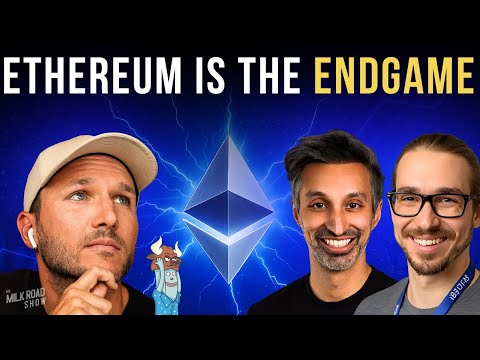
In an October 2025 interview on The Milk Road Show, Raman discussed Ethereum’s role in financial markets alongside hosts Ky Reedhead and Danny Ryan, focusing on its use as a collateral asset without counterparty risk and its relevance to institutional adoption. Raman reflected on his background in traditional finance and his shift toward Ethereum. At the same time, the conversation addressed limitations in existing financial infrastructure and how blockchain-based systems could support asset digitization and operational efficiency. The discussion also examined regulatory developments, institutional interest in tokenization, and the importance of privacy-preserving technologies such as zero-knowledge proofs for large-scale adoption. The interview concluded with perspectives on the pace of institutional migration to blockchain infrastructure, the growing integration of real-world assets, and the broader implications of Ethereum’s technical development for financial markets. [4]
Etherealize
In September 2025, Raman appeared on theCUBE’s Crypto Trailblazers series, where he discussed developments at the intersection of blockchain technology and traditional finance. The conversation covered market conditions affecting Ethereum and stablecoins, the expanding scope of asset tokenization, and growing institutional interest in adopting blockchain-based infrastructure. Raman addressed how tokenization could enable new financial products, the role of transparency and collateralization in reducing systemic risk, and the importance of regulatory recognition in supporting adoption. He also reflected on infrastructure development, his testimony before the U.S. Congress regarding blockchain policy, and expectations around the integration of tokenized assets and privacy-focused technologies into financial markets. [5]

Reaching New Heights
In an August 2025 interview with COINAGE, Raman discussed Ethereum’s positioning within global financial infrastructure, reflecting on his transition from traditional finance to the blockchain sector and his involvement with Etherealize. The conversation examined differences between decentralized blockchains and centralized systems, regulatory developments affecting institutional adoption, and the growing focus on Ethereum’s role in asset management and tokenized financial instruments. Raman framed Ethereum as infrastructure rather than a conventional business, emphasizing its function in enabling a range of economic activity through decentralized protocols. The interview concluded with a discussion of Ethereum’s evolving narrative as a foundational layer for financial and corporate systems and the implications of increased institutional engagement. [7]

Next Financial Revolution
In a July 2025 interview with Wealthion, Raman discussed Ethereum’s role in the digitization and tokenization of financial assets, positioning it as a core infrastructure layer for digital finance. He reflected on his background in traditional finance and the limitations of existing trading systems, which informed his move into the blockchain sector and his work with Etherealize. The conversation examined Ethereum’s use in institutional settings, including asset settlement, decentralized finance applications, and the customization enabled by Layer-2 networks. Additional topics included ETH’s economic design, regulatory considerations affecting adoption, and the broader effort to support responsible integration of blockchain technology into financial markets. [6]

Mispriced Asset: ETH
In a June 2025 interview on the Bankless podcast, Raman discussed Ethereum’s positioning in investment portfolios, emphasizing ETH’s role beyond transaction fees as an asset with utility and store-of-value characteristics. The conversation addressed institutional adoption trends, tokenization, and regulatory developments influencing perceptions of ETH, as well as the distinction between Ethereum as a network and ETH as an asset. Raman and the hosts examined ETH’s monetary design, its role as the economic fuel of the Ethereum ecosystem, and the uneven institutional understanding of these properties. The discussion also explored long-term valuation narratives, Ethereum’s reputation among institutions for decentralization and reduced counterparty risk, and the importance of communicating ETH’s role within the evolving digital financial system. [9]

See something wrong?