0% read
Last updated:
Thomas Chladek
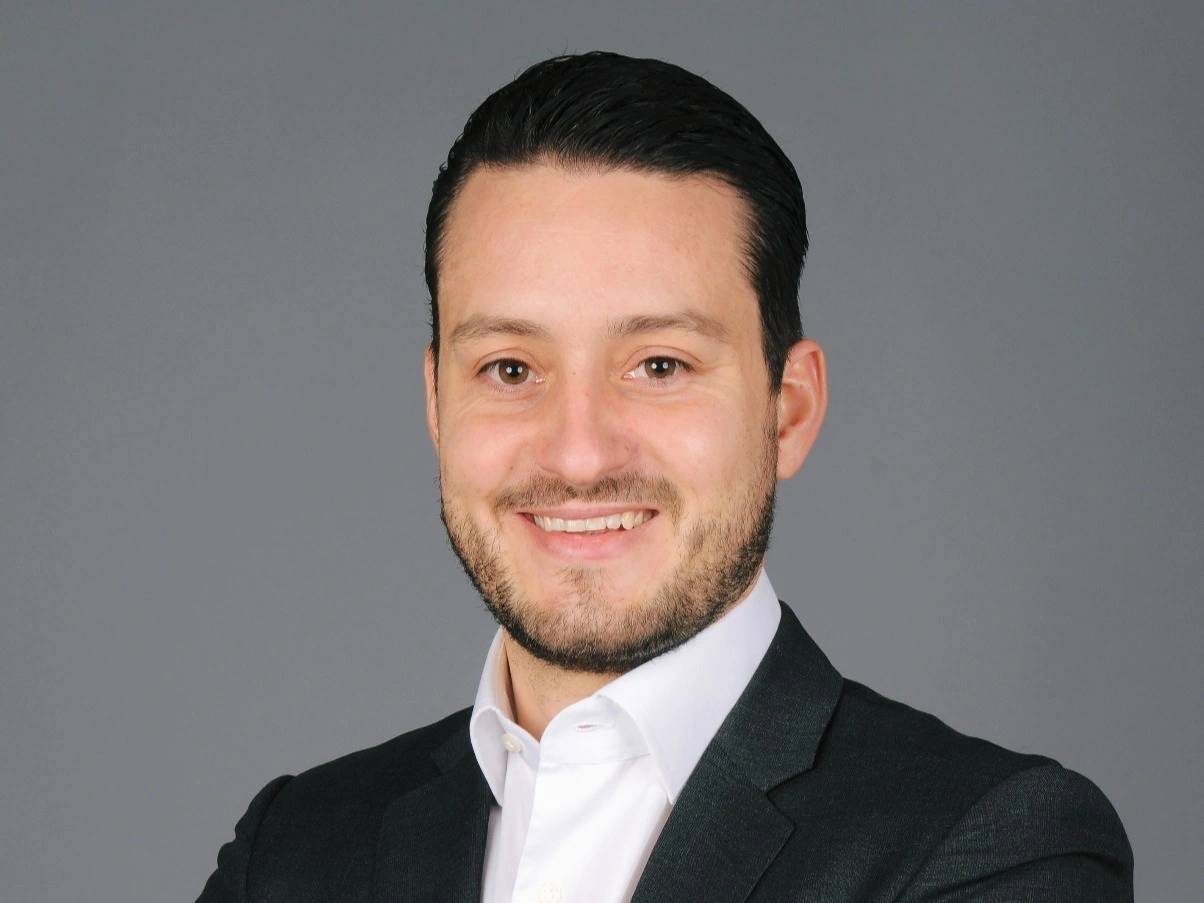
Thomas Chladek is the Managing Director and Head of Research at Forteus, the digital asset management firm of the Numeus Group. Chladek is recognized for his expertise in alternative investments and for establishing one of the first crypto fund of hedge funds. [1] [2]
Education and Certifications
Chladek earned a Master of Science (MS) in Economics from the University of Geneva in Switzerland, graduating in 2000. [2] His postgraduate work in finance was supplemented by several professional designations. He became a Financial Risk Manager (FRM) charterholder in 2003, awarded by the Global Association of Risk Professionals (GARP). [3] In 2006, he earned the Chartered Alternative Investment Analyst (CAIA) charter, signifying expertise in alternative investments like hedge funds. He also holds the Certified Investment Fund Director (CIFD) designation. [4]
Career
Early Career and Traditional Finance
Chladek began his career in finance in January 2001 as a research analyst and portfolio manager at Bucephale Investment Management, where he worked until December 2004. [2] He then served as Head of Hedge Fund Research at Calibria Financial Services S.A. from 2005 to January 2007, which served as a basis for later work with cryptocurrencies. [2] [4]
In January 2007, Chladek joined the major Swiss private bank Lombard Odier. During his tenure of over a decade, which lasted until August 2018, he held several senior positions, including Co-Head of the Open Architecture platform and Head of the Alternative Solutions Group. In these roles, he was responsible for fund selection and served as a portfolio manager for the bank's fund of hedge funds products and various customized client mandates. [2] [1]
Transition to Digital Assets
In 2018, Chladek shifted his professional focus to the emerging digital asset class. He joined the publicly listed digital asset firm Bitcoin Suisse AG in September 2018 as the Head of Hedge Fund Investments. [2] In 2019, while at the firm, he led the establishment and management of one of the first-ever crypto fund of hedge funds. He remained with Bitcoin Suisse AG until May 2022. [2]
Forteus and Numeus Group
In May 2022, Chladek joined Numeus, which would later establish Forteus as its institutional digital asset management arm. He serves as the Managing Director and Head of Research at Forteus. [2] [5] In this capacity, he is responsible for hedge fund selection and capital allocation for the firm's multi-manager crypto hedge fund strategies, applying his extensive background in traditional fund-of-funds management to the cryptocurrency space. [6]
As the Head of External Manager Research and Selection, Chladek's team was responsible for deploying capital for the firm’s investment vehicles. For the Forteus Multi-Manager Alpha Fund (MMA), which began trading on June 1, 2023, his team had allocated approximately 40% of the fund’s capital to five external portfolio managers by the end of its first month. By July 1, 2023, the team had added two more managers, bringing the total deployed capital to 50% of the fund. [6]
Investment Philosophy
Chladek's commentary and his firm's research reflect a disciplined, institutional approach to digital asset investing. He advocates for a diversified portfolio that extends beyond simply holding major cryptocurrencies like Bitcoin and Ethereum. He emphasizes the role of active managers and hedge funds in navigating market complexity to generate alpha, or returns independent of broad market movements. [2]
He has categorized crypto hedge fund strategies into three main types: discretionary long/short, systematic/quantitative, and venture. He also believes that market downturns and periods of volatility are beneficial for the industry's health, as they tend to remove less-skilled managers and result in a higher-quality, more professional selection pool for fund of funds investors. This environment, in his view, makes diligent manager selection particularly important. [2]
Chladek has noted that volatile market conditions serve as a "stress test" for investment strategies. In such environments, market-neutral, alpha-generating strategies tend to prove their value, while those reliant on simple market exposure (beta) often face challenges. [2]
Interviews
Performance and Pitfalls of Crypto Hedge Funds #01
An interview broadcast on May 27, 2021, on the YouTube channel of the Global Blockchain Business Council featured Thomas Chladek, former Head of Asset Management at Diginex, participating in a virtual members’ forum together with Shane Edwards, Head of Investment Products at the same organization. The session examined structural characteristics of crypto hedge funds, including their operational models, risk factors, and positioning within portfolio construction.

From Chladek’s standpoint, crypto hedge funds are distinguished from passive exposure to digital assets through the use of active management approaches. He characterized crypto markets as decentralized, continuously operating, and composed of multiple trading venues and instruments. In his assessment, these structural features differentiate crypto markets from traditional financial markets and influence how investment strategies are implemented.
Chladek described several broad categories of strategies used by crypto hedge fund managers, including liquidity provision, trading-oriented methods, and fundamental analysis. He noted that these approaches can be combined within a portfolio to address different market conditions and to manage exposure to price movements. The discussion also covered challenges associated with crypto hedge funds, such as operational considerations, regulatory frameworks, liquidity terms, and the process of selecting external managers.
During the interview, Chladek stated that institutional participation in digital asset markets was expanding at the time of the discussion, contributing to changes in market structure and product design. He presented the view that, while crypto markets involve volatility and regulatory uncertainty, structured investment vehicles such as hedge funds represent one of several mechanisms through which market participants seek exposure to digital assets under defined risk management and governance frameworks. [7]
See something wrong?