0% read
Last updated:
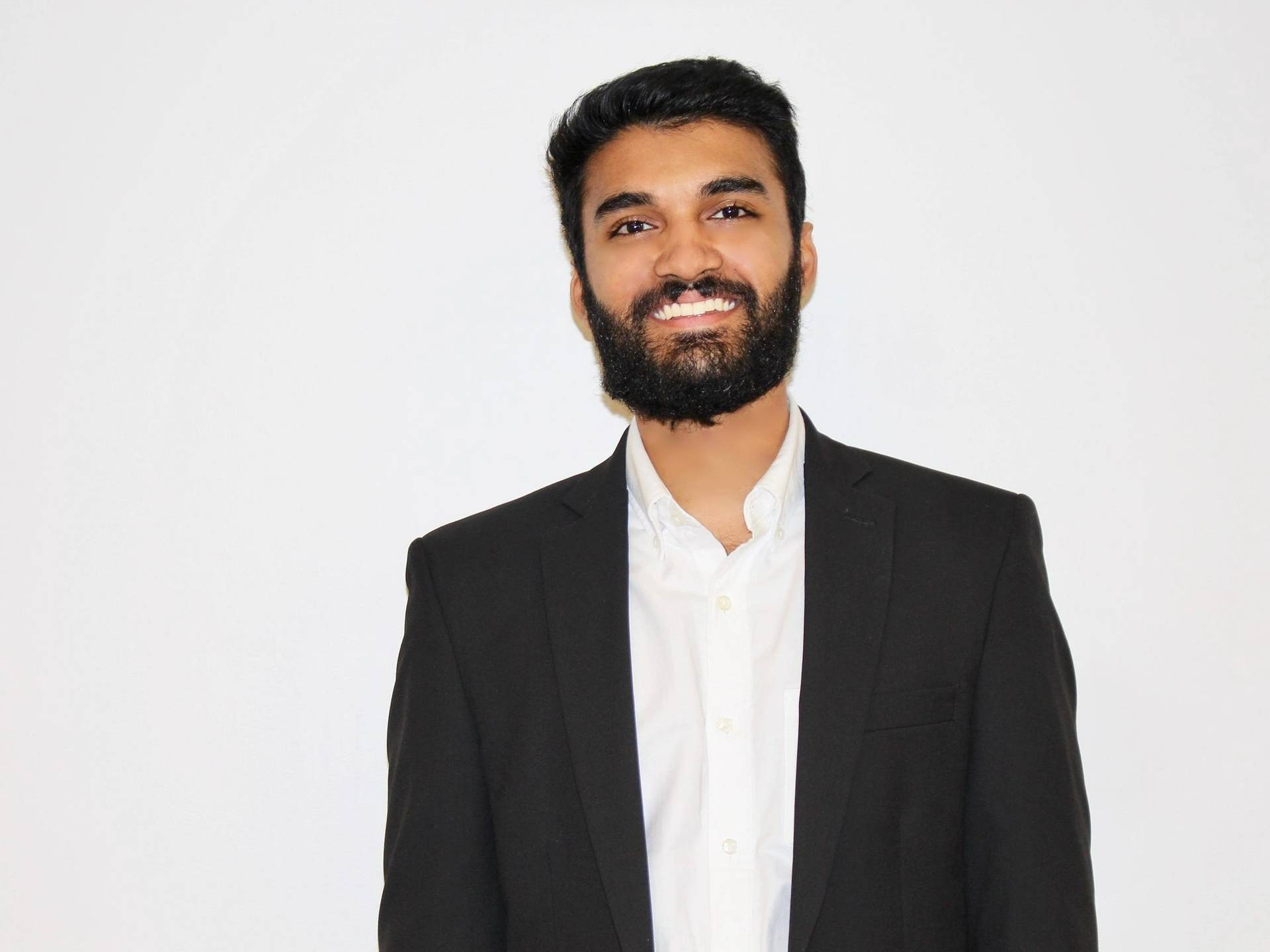
Vikram Arun
Vikram Arun is a digital asset investor and entrepreneur with a background in quantitative research, financial analysis, biotechnology, and healthcare technology. He is Co-Founder of Superform Labs and previously worked as an investor at BlockTower Capital, a Senior Biotech Research Associate at Raymond James, and Co-Founder of Ledger Group and DoctorOn. [7]
Education
Arun graduated from Washington University in St. Louis with a BS in Biomedical/Medical Engineering and a Master’s in Finance in 2017. [1]
Career
Arun began his career as a Laboratory Researcher at Washington University School of Medicine from June to August 2013, then worked as a Research Engineer intern at Nanova Biomaterials Inc. from May to July 2015, supporting dental and orthopedic research and development. In summer 2016, he worked as a Redwoods Summer Analyst at DaVita, supporting payor and provider contracting for DaVita Medical Group in Southern California. From August 2010 to June 2017, he also co-founded DoctorOn, a telemedicine company that integrated smartphones with conventional medical equipment and portable devices. In January 2018, he co-founded Ledger Group, an investment research and trading firm focused on digital assets, where he developed cryptocurrency valuation frameworks and algorithms based on behavioral finance patterns.
From July 2018 to October 2020, Arun worked as a Senior Biotech Research Associate at Raymond James, covering biotechnology and pharmaceutical companies. From November 2020 to December 2021, he was an Investor at BlockTower Capital, a cryptoasset investment firm, where he worked on decentralized finance trading infrastructure, multichain systems, maximal extractable value (MEV), and quantitative strategies and research. In January 2022, he co-founded Superform Labs, where he continues to work on the company. [3]
Interviews
Needing Crypto
In a March 2026 interview on the When Shift Happens podcast, Arun discussed his transition from trading at BlockTower Capital to co-founding Superform, a platform designed to provide a self-custodial, onchain alternative to traditional banks and fintech services. He described his experience trading DeFi and spotting early market opportunities, arguing that retail crypto trading had become increasingly difficult and that many users could instead earn yield through established DeFi protocols. Arun said Superform aimed to make decentralized finance more accessible through a mobile-first interface, transparent onchain yields, simplified navigation, and its Piggy mascot, focusing on people underserved by traditional financial services. He also discussed how self-custody and verifiable onchain activity could address some risks associated with centralized platform failures such as FTX and Celsius, while acknowledging the need for stronger protections, clearer disclosures, and user education within DeFi. He emphasized that broader adoption would depend on making decentralized financial products safer, easier to understand, and more relevant to everyday users. [5]

Replacing USD
In a June 2025 interview with The Defiant, Arun discussed the potential for cryptocurrency and stablecoins to reshape money, payments, and financial products. He explained that Superform aimed to make onchain finance more accessible through familiar mobile interfaces, automated tools, and a transparent middleware layer, while structured products could help users access DeFi without managing every underlying strategy themselves. Arun viewed stablecoin regulation as a potential driver of competition, onchain asset adoption, and demand, while noting that yields would fluctuate with market conditions. He also discussed speculation and memecoins as aspects of crypto culture, emphasizing the importance of directing users toward practical financial applications and integrating saving into everyday activities. Looking ahead, he anticipated growth in stablecoins, tokenized real-world assets, and composable yield strategies, and identified improved user experiences, risk ratings, and stronger security as key drivers of broader adoption. [4]

Presentations
Next Vault Primitive
At the Vault Summit in June 2026, Arun discussed the growth of vaults as a DeFi primitive, noting that total value locked had increased from approximately $1.5 billion three years earlier to more than $60 billion. He argued that onchain code alone could not make complex vault strategies fully transparent or trustless, contrasting the risks of entirely onchain vaults with those of offchain custodial platforms. He described vaults operated through offchain processes as an intermediate model with remaining limitations and proposed a vault operating system that would make permissions, mandates, risk limits, data sources, execution rules, and pricing publicly verifiable. The system would also allow asset managers to customize and automate investment strategies. Arun argued that public vaults require transparent operations and that combining vaults with an operating system could help asset managers manage onchain strategies while maintaining DeFi’s transparency and verifiability. [6]

See something wrong?
Official Website:
Social Profiles: