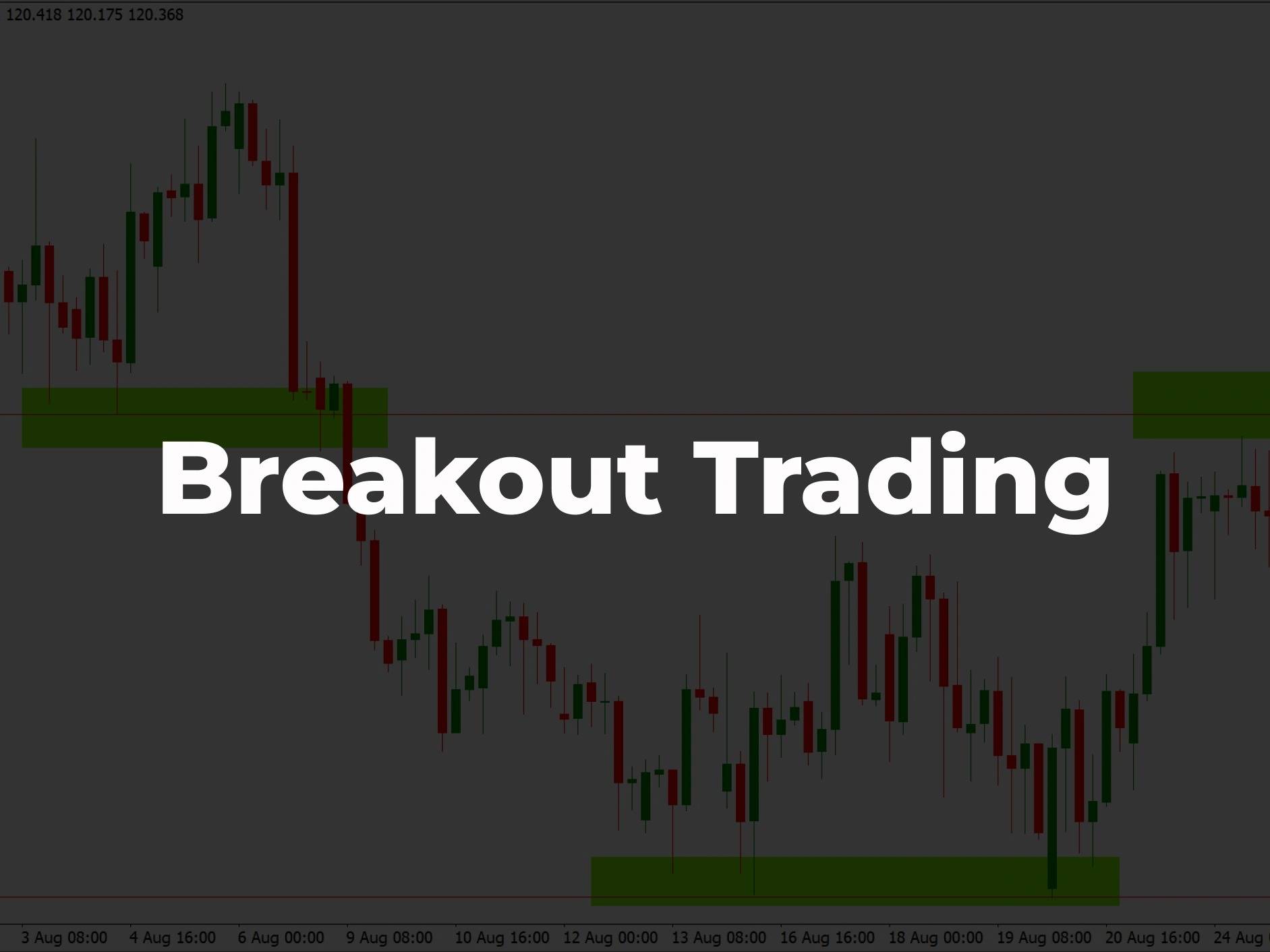
A widely cited example of a completed breakout is Bitcoin's move through its prior all-time high in 2024.
From November 2021 to early 2024, the roughly $69,000 all-time high served as defining resistance, and every recovery attempt across 2022 and 2023 failed well below that level.[1]
On March 8, 2024 — eight weeks after the approval of United States spot Bitcoin exchange-traded funds (ETFs) in January 2024 — Bitcoin traded above $69,000 for the first time since 2021, volume surged, and six days later it set a new all-time high of $73,581.[1]
ETF inflows were absorbing supply from long-term holders who had waited to sell near their purchase prices, and with that overhead supply exhausted there were no remaining sellers waiting at $70,000, $75,000, or $80,000.[1]
The 2022–2024 base had compressed price into a range of roughly $15,000 to $69,000 — approximately $54,000 wide — and a measured move from the breakout projected a target near $123,000. Bitcoin subsequently reached $126,173 in October 2025, placing the outcome within a few percent of the projection derived from Schabacker's framework.[1]
After the March 2024 break, Bitcoin pulled back several times toward $69,000, with the former resistance now acting as support; each mid-2024 pullback offered a lower-risk retest entry, and the level held across multiple tests on the monthly timeframe, confirming the shift from ceiling to floor.[1]
The move above $69,000 preceded an 80% further gain over the following eighteen months, and because the break satisfied all three conditions of genuine confirmation — volume, a candle close beyond the level, and holding the level on the first retest — entries on the break, on the candle close, or on the retest each produced significant returns against a well-defined stop below the level.[1]
The episode illustrates why the strategy is closely associated with crypto: the market produces clear, high-conviction levels such as prior all-time highs, consolidation zones, and round numbers, and tends to move sharply once those levels break, creating the large directional moves that breakout setups aim to capture.[1]