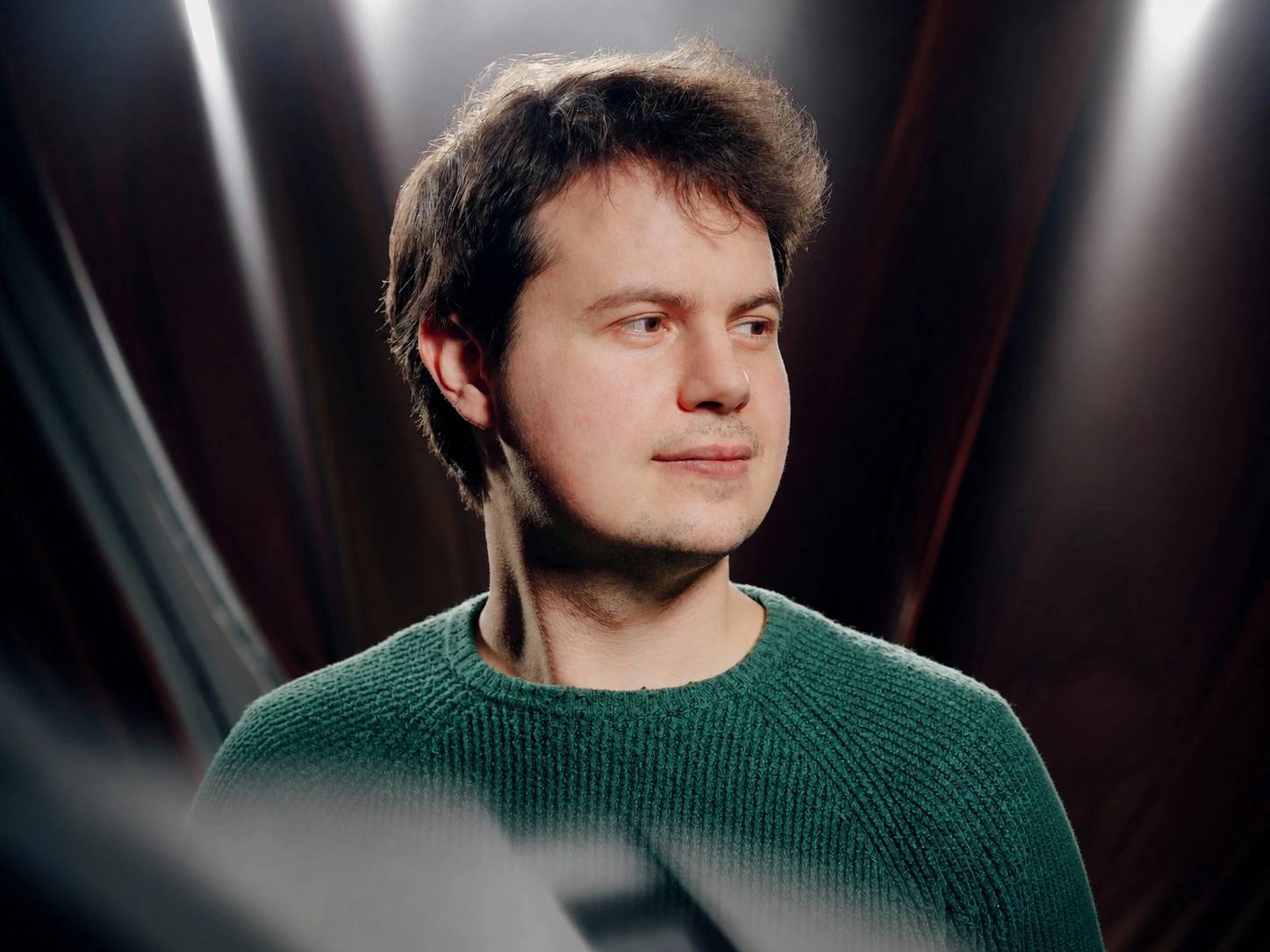
Chris Olah
Chris Olah is a researcher and co‑founder of Anthropic, an artificial intelligence (AI) safety and research company, best known for his work in AI interpretability and for public advocacy on AI governance. Sources documenting his career and views include his personal website, major news outlets, and profiles such as Forbes.
Early life & education
Chris Olah studied mathematics and computer science, developing an early interest in machine learning and neural networks. His foundational education was crucial in shaping his career in AI interpretability, which focuses on making complex models understandable[1].
Career
Olah's research career has included roles at Google Brain and OpenAI, where he worked on interpretability research—methods to understand how neural networks make decisions and to visualize model components. At OpenAI, he focused on reverse engineering neural networks into comprehensible algorithms. He co‑founded the Distill publication to improve clarity and accessibility of machine‑learning research[1].
As a co‑founder of Anthropic, an AI lab formed to research and build safer, more interpretable AI systems, Olah has been pivotal in its development of the Claude family of models. Anthropic emphasizes research into alignment and safety and has become known for its stance on reducing the misuse of powerful models. Under Olah's leadership, the company has advocated for limits on military applications and domestic surveillance, stressing the necessity for broader societal oversight in AI development[2].
Public profile and online presence
Olah maintains an online presence, including a personal site and an X (formerly Twitter) account (@ch402), which he uses to share research, commentary, and links to publications. His presence on social media and professional platforms highlights his engagement with the broader AI community and his advocacy for transparency in AI research.
Contributions to AI and public advocacy
Olah has been an outspoken advocate for AI safety, interpretability, and governance. He has consistently argued that AI development should not be left solely to a small number of technology companies. Instead, he calls for input and oversight from governments, civil society, academia, and other institutions. His views on requiring broader societal guidance have been widely covered by Reuters and BNN/Bloomberg, among others[2] [3].
In May 2026, Olah participated in significant discussions in Europe concerning AI ethics and governance. During these events, he underscored the ethical imperatives of protecting human interests against potential AI-induced job displacements and discussed the moral responsibilities associated with AI advancements. These appearances were covered by multiple news outlets, which highlighted his calls for external scrutiny and underscored the ongoing debates around the role of companies and governments in AI policy shaping[3] [2].