0% read
Last updated:
Koh Harada
Koh Harada is a blockchain sector executive who serves as the Chief Executive Officer and Executive Director of the Aleo Network Foundation. His professional background is centered on business development, operations, and the advancement of privacy-focused financial technologies. [3]
Career
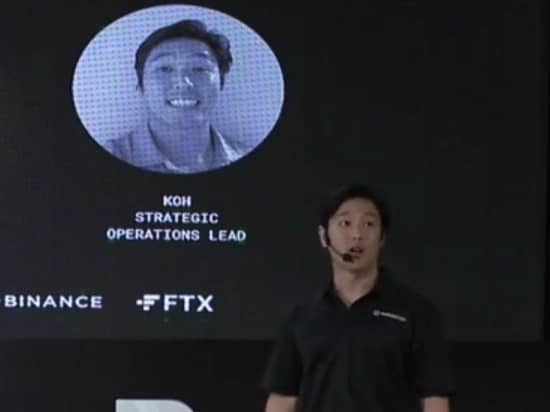
Harada's recent career has been focused on privacy-centric blockchain projects. In June 2022, he began working at MobileCoin as Strategic Operations Lead, where he was responsible for overseeing operational planning and execution throughout the organization. By April 2023, he transitioned to the role of Head of Business Development and Special Projects. In this capacity, which he held until December 2023, his focus shifted to building partnerships, spearheading strategic initiatives, and contributing to the development of privacy-focused payment systems, which included work related to private stablecoin payments.
In January 2024, Harada joined Aleo as its Chief Operating Officer, where he managed operational functions during a period of organizational development. He was subsequently appointed Chief Executive Officer and Executive Director of the Aleo Network Foundation in December 2024. [1] [2]
Aleo Network Foundation

As Chief Executive Officer and Executive Director of the Aleo Network Foundation, Harada oversees a non-profit organization responsible for supporting the development and growth of the Aleo ecosystem. The foundation’s activities include coordinating community participation, allocating development funding, and maintaining the underlying protocol. It functions as a central governance body for the network and is involved in managing its ongoing operations, with additional oversight and advisory input from figures such as board member Michael Mosier.
The foundation supports Aleo, a Layer-1 blockchain platform established in 2019 that is designed to enable private and scalable applications through the integration of zero-knowledge cryptography. Its architecture allows transactions and computations to be verified without disclosing underlying data, supporting use cases that require both privacy and regulatory compatibility. The platform includes components such as the Leo programming language, the snarkVM virtual machine, and the snarkOS system for network operations, along with developer tools like software development kits and blockchain explorers. Applications built on the network span areas such as financial services, digital identity, gaming, and payment systems. [3]
See something wrong?
Social Profiles:
Blockchains: