Kevin Zhang
Kevin Zhang is a Canadian blockchain engineer, entrepreneur, and fintech executive with experience spanning traditional financial systems, digital payments, and decentralized finance infrastructure. He is the co-founder and Chief Executive Officer of Loon and previously co-founded PayTrie, a Canadian digital asset payments platform. [3]
Education
Zhang attended the University of Waterloo, where he earned a Bachelor of Applied Science in Systems Design Engineering. [2]
Career
Zhang began his career as a software engineer at SugarCRM in 2013, where he contributed to web application development using JavaScript, PHP, and related web technologies. He later joined TD Bank Group, initially working on foreign exchange infrastructure and systems integration projects before transitioning into blockchain development. At TD, he worked with enterprise blockchain platforms, including Ethereum, Hyperledger, Corda, and Ripple, focusing on applications in payments and financial services.
From 2017 to 2019, Zhang served as a Senior Blockchain Engineer and Architect at ConsenSys, where he worked on blockchain infrastructure initiatives including Plasma-related development and Project Numia. In February 2019, he co-founded PayTrie, a Canadian digital asset payments and settlement platform, and remained with the company until October 2025. During this period, he also joined the core team of DFX Finance in 2020, contributing to the development of decentralized foreign exchange and stablecoin infrastructure.
In October 2025, Zhang co-founded and became the Chief Executive Officer of Loon, a company focused on developing CADC-related financial infrastructure. He continues to lead Loon following his departures from PayTrie and DFX Finance. [1]
Interviews
Loon
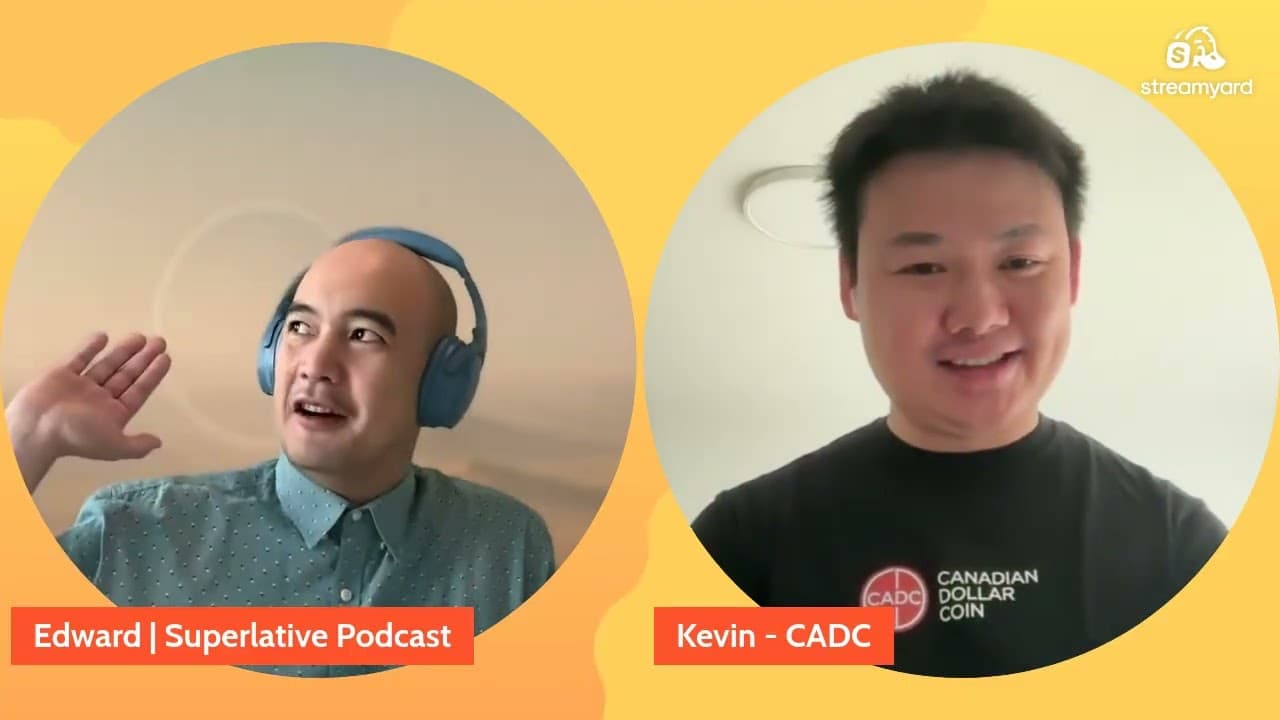
In an April 2026 interview on The Superlative Podcast, Zhang discussed his experience in blockchain infrastructure, digital payments, and stablecoin development, drawing on work spanning traditional foreign exchange systems, blockchain engineering, and digital asset platforms. He outlined the rationale for developing a Canadian dollar-denominated stablecoin, arguing that locally issued digital currency infrastructure could expand access to Canadian-dollar liquidity within global blockchain networks and decentralized finance ecosystems.
Zhang also examined the regulatory and operational challenges associated with stablecoin issuance, emphasizing that compliance, anti-money-laundering requirements, and evolving regulatory frameworks are significant considerations alongside the underlying technology. The discussion covered developments in Canadian stablecoin regulation, the growth of round-the-clock digital asset markets, and the role of stablecoins in facilitating domestic and cross-border transactions. He further described Loon's efforts to expand the distribution, liquidity, and integration of CADC within financial technology and blockchain ecosystems. [5]
CADC
In a January 2026 interview with Sunny Ray, Zhang discussed his career in financial technology and blockchain, tracing his work from foreign exchange systems at TD Bank Group to his role as an early blockchain engineer in the Canadian financial sector. He described the motivations behind co-founding PayTrie in 2019, highlighting efforts to improve the flow of value between traditional financial systems and blockchain networks through stablecoin infrastructure and digital-asset payment services.
The discussion also focused on the development of Canada's digital asset ecosystem and the growing role of stablecoins within it. Zhang examined Canada's contributions to blockchain technology, recent regulatory developments affecting stablecoins, and the challenges of maintaining Canadian dollar-denominated financial infrastructure in an increasingly globalized digital asset market. He also outlined the objectives of Loon Finance and its CADC stablecoin initiative, which aims to expand access to Canadian dollar-denominated assets across blockchain networks and decentralized finance applications. [6]
Neoclouds and AI
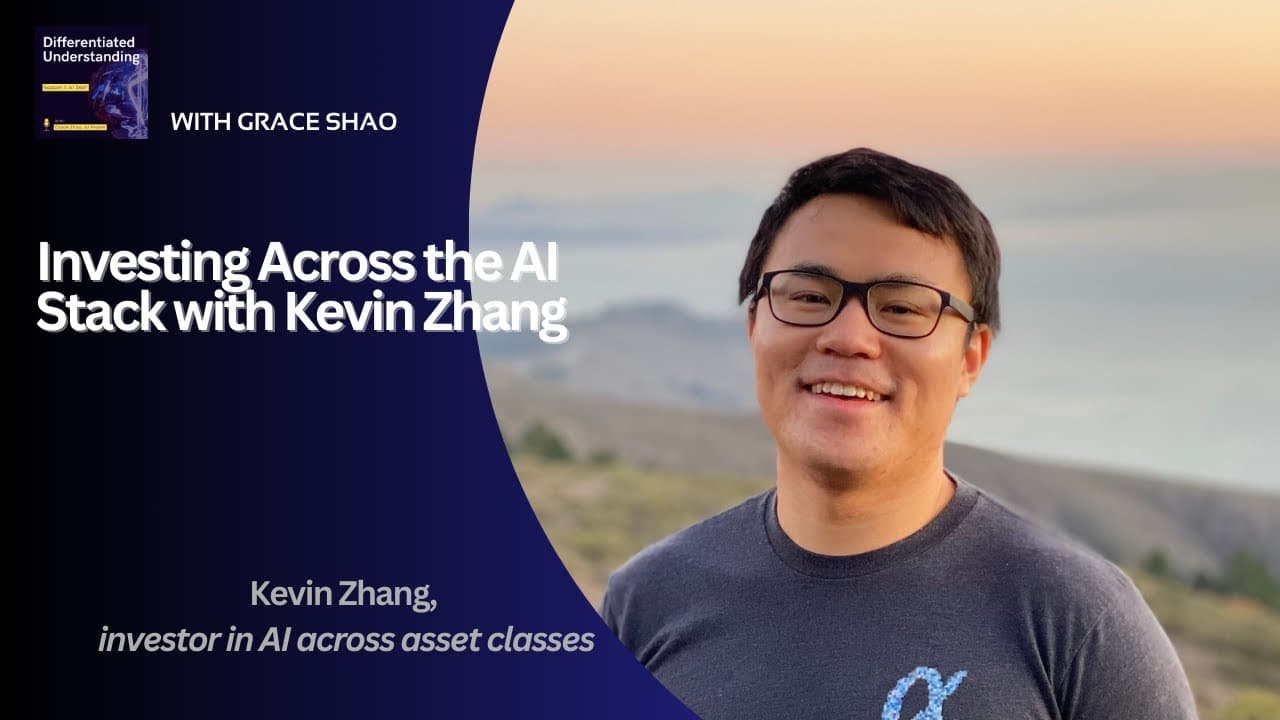
In an October 2025 interview on the Differentiated Understanding podcast with Grace Shao, Zhang discussed investment trends in artificial intelligence, focusing on the substantial capital expenditures being made by major technology companies to develop AI infrastructure and foundation models. He examined the competitive dynamics of the sector, arguing that the high costs associated with training and operating large-scale AI models favor well-capitalized firms while creating challenges for smaller startups seeking to compete. He also emphasized the importance of distribution, enterprise adoption, and sustainable monetization strategies as key factors influencing the long-term viability of AI businesses.
Zhang additionally explored the emergence of "neocloud" providers, companies offering specialized GPU and AI-computing infrastructure as alternatives to traditional cloud providers. He discussed how their business models depend on access to hardware, managed services, and AI-related software offerings. The conversation also addressed differences between the AI ecosystems in the United States and China, including variations in funding environments, government involvement, and market incentives. Looking ahead, Zhang suggested that the economic and workplace effects of AI would likely emerge gradually over several years, with the sector's long-term success depending on capital efficiency, commercialization, and the ability to integrate AI technologies into practical applications. [7]