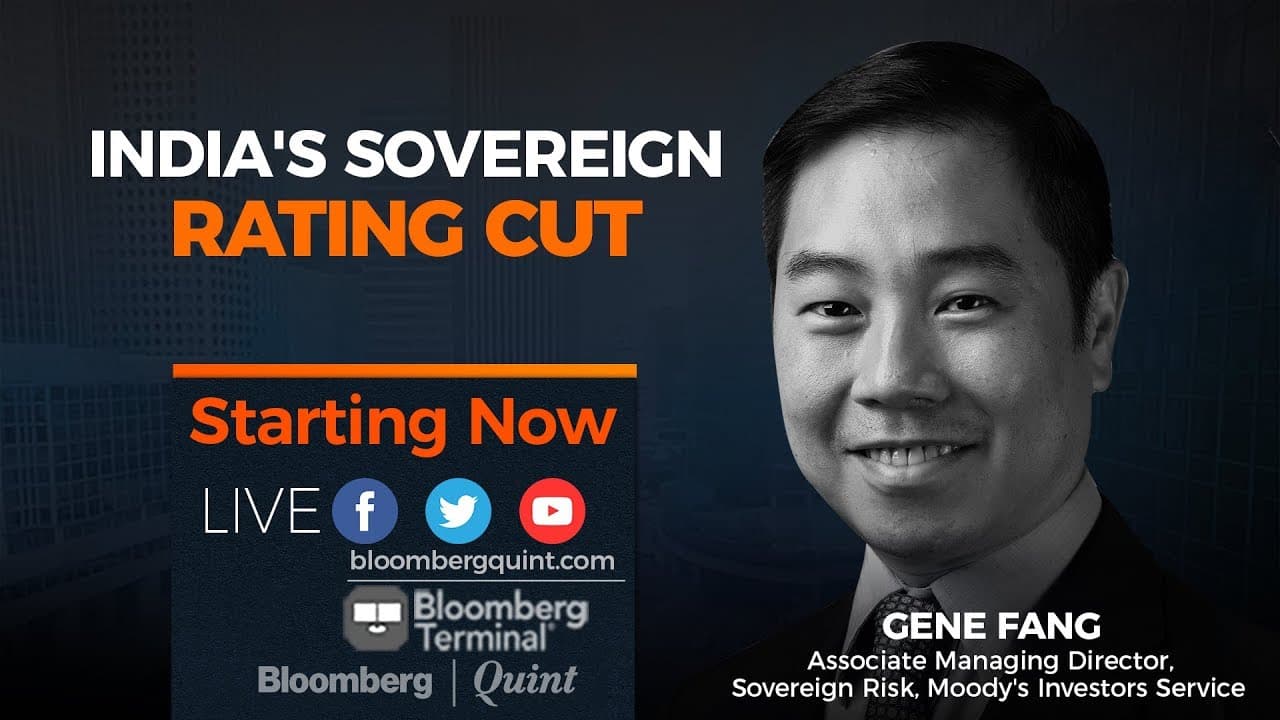
Gene Fang
Gene Fang is a finance professional serving as Associate Managing Director at Moody's Investors Service. His career has focused on credit analysis, financial services, and risk assessment, with experience across credit ratings, banking, and consulting. He has held roles at major financial institutions, including Citi and JPMorgan Chase, working across finance and investment analysis. [3]
Education
Fang graduated from Harvard Business School in 2003.
Career
Fang began his career as a Consultant at Princeton Consultants, where he worked from 1997 to 2001. His role involved providing consulting services and analytical support for business and financial projects. In 2003, Fang joined JPMorgan as a Vice President, where he worked until 2008. During his tenure, he gained experience in financial services and banking, supporting the firm’s activities across its business operations. Fang later joined Citi in 2010 as a Director, serving in the role until 2013. His work at Citi involved financial analysis and institutional banking activities before transitioning to Moody’s Investors Service. Since joining Moody’s Investors Service in 2013, Fang has served as Associate Managing Director in Singapore. His work has focused on credit analysis, research, and evaluating financial risks across markets and industries as part of Moody’s credit assessment operations. [2]
Interviews
India’s Rating Cut
In a June 2020 interview with NDTV, Fang discussed Moody’s decision to downgrade India’s sovereign credit rating by one notch, citing limited policy flexibility, slower economic growth, and financial sector challenges. Fang explained that the downgrade reflected concerns that pre-existing economic issues, including weak reform momentum, difficulties implementing measures such as the Goods and Services Tax (GST) and bankruptcy code, and subdued job growth, had constrained India’s growth potential before the COVID-19 pandemic. He noted that the pandemic amplified existing weaknesses rather than being the sole cause of the downgrade, with declining growth, fiscal pressures, and elevated debt levels contributing to increased risks. Fang also highlighted that while monetary policy measures provided liquidity support, improving credit flows and restoring a stable outlook would depend on addressing financial sector challenges and strengthening policy coordination. [1]