0% read
Last updated:
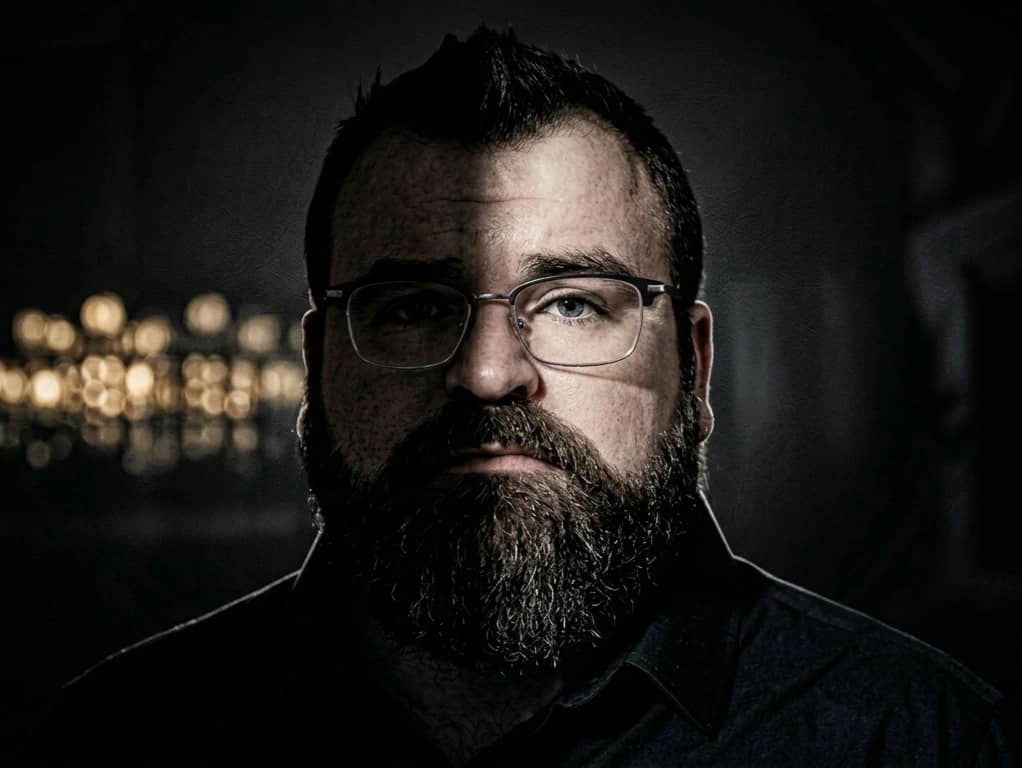
Brody
Brody is an engineer and the founder of the Palm USD (PUSD) stablecoin project, where he has focused on developing blockchain-based financial infrastructure for cross-border transactions. His work on PUSD is informed by observations of inefficiencies within global financial systems, particularly in regions with limited access to reliable banking services. [1]
Career
Brody has worked as an engineer for approximately 15 years across a range of public and private sector projects. His early exposure to finance stemmed from a family background in economics and public policy, which fostered a sustained interest in financial systems, global markets, and business.
His perspective on financial infrastructure was shaped in part by international travel and cross-border transactions. Observing differences between domestic and international financial systems, particularly in regions with less developed banking infrastructure, highlighted inefficiencies in areas such as transfer speed and accessibility. Experiences working with partners in regions such as the Middle East and Africa led him to believe that traditional financial systems often do not consistently meet global needs.
These observations informed his interest in digital assets as an alternative mechanism for transferring value across borders. He has emphasized the potential of blockchain-based systems to address inefficiencies in existing financial infrastructure, particularly in international contexts, and has focused on developing systems designed for broader use beyond existing cryptocurrency user bases. [2] [3]
Palm USD
In a January 2026 article explaining the rationale behind Palm USD (PUSD), Brody described the project as a response to structural challenges in the global use of the U.S. dollar. While the dollar remains widely relied upon in international trade and finance, he identified concerns related to political influence, sanctions, and reliance on existing financial infrastructure as factors that can complicate its use for some countries and institutions.
The article highlighted the tensions faced by emerging and non-aligned economies, particularly those seeking to retain monetary independence while still accessing a stable, widely accepted unit of exchange. It referenced ongoing discussions among BRICS countries on alternative financial systems, noting the practical difficulties of establishing a shared currency across diverse economies. Within this context, Palm USD is presented as an attempt to provide access to dollar-linked value without requiring direct reliance on U.S.-based financial systems.
Brody outlined the structure of PUSD as a stablecoin backed by reserves in currencies pegged to the U.S. dollar, specifically the UAE dirham and Saudi riyal. He framed this design as a way to maintain price stability while situating the system within a different geographic and regulatory environment. The article positioned the project as part of a broader effort to address inefficiencies and limitations in cross-border financial infrastructure, particularly in regions seeking alternatives to existing systems. [5] [6]
Interviews
Frozen Stablecoins
In a March 2026 interview on TheBlock, Brody explained that PalmUSD’s stablecoin was a permissionless, Sharia-compliant dollar backed by fiat reserves in fully audited, third-party custodial banks in Saudi Arabia and the UAE, with reserves in pegged currencies like the UAE dirham and Saudi riyal, avoiding US dollar backing entirely. He highlighted that most stablecoins could be frozen or blacklisted, unlike PalmUSD, which lacked such features, and emphasized transparency through regular audits, public code, and real-time reserve attestations. Brody discussed the challenges of achieving Sharia compliance, which required rigorous, monthly audits and a strict no-risk policy, and stressed their focus on building infrastructure for institutions rather than targeting retail consumers directly. Operating primarily in the Middle East, particularly Saudi Arabia and the UAE, PalmUSD aimed to serve regional needs with a utility-driven approach, focusing on institutional settlement and commodity trading, while proactively engaging regulators to ensure legal compliance across jurisdictions. Brody also shared his vision of expanding stablecoin utility in emerging markets, promoting seamless integration with traditional finance, and fostering collaboration to provide stability and liquidity amid volatile currencies. He concluded by emphasizing that stablecoins like PalmUSD can’t be frozen or blacklisted, and that their long-term goal is to build a trustworthy, ethical infrastructure that better serves both global and regional financial systems than existing alternatives. [2]

See something wrong?
Official Website:
Social Profiles: