0% read
Last updated:
Muneeb Ali
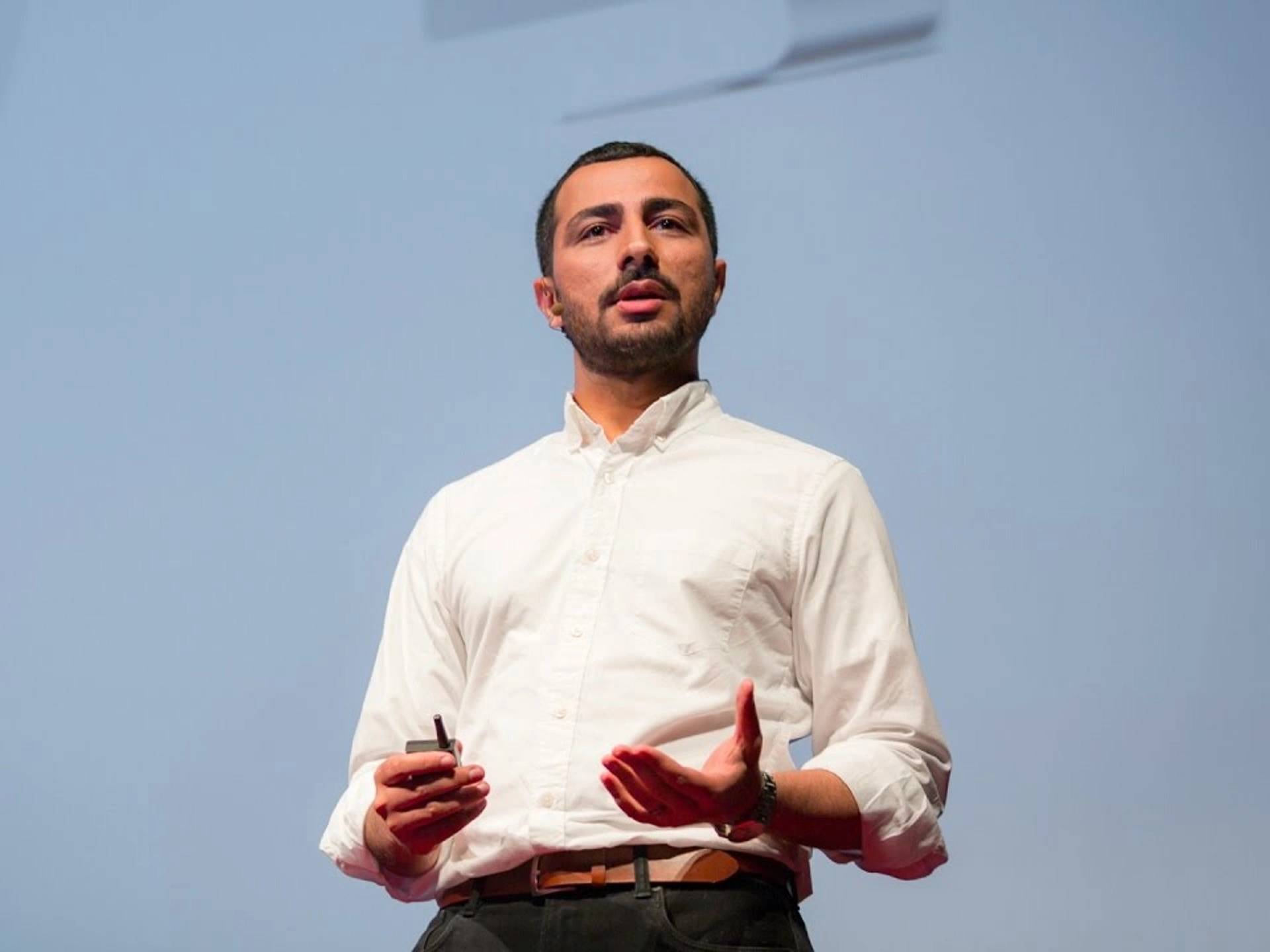
Muneeb Ali is a computer scientist and entrepreneur who serves as the CEO of Stacks, a platform that enables smart contracts and applications anchored to Bitcoin. He has focused on building Bitcoin-related infrastructure and decentralized systems that enhance programmability and user control. [13]
Education
Ali completed a Bachelor of Science in Computer Science and Mathematics at Lahore University of Management Sciences in 2003. He later earned a Master of Arts in Computer Science from Princeton University in 2011. In 2014, Ali participated in the Summer 2014 batch of Y Combinator, focusing on entrepreneurship. He subsequently completed a Doctor of Philosophy in Computer Science at Princeton University in 2017. [2]
Career
Ali began his research career in 2005 as a visiting researcher at the RISE Research Institutes of Sweden (SICS). He later served as a research staff member at Delft University of Technology from 2006 to 2008 and was a visiting researcher at Stanford University in 2007. From 2008 to 2010, he worked as a research assistant at Princeton University. Between 2011 and 2017, Ali pursued doctoral research in computer science at Princeton University, where he worked in the Networks and Systems group and collaborated with the PlanetLab team, completing his PhD in 2017. During this period, he co-founded Onename and served as its CTO from 2014 to 2016, contributing to the development of an early Bitcoin-based decentralized naming and identity application. In 2017, Ali founded Stacks, a blockchain project focused on enabling smart contracts and applications anchored to Bitcoin. He also became a board member of Hiro Systems in the same year, supporting the development of tools for Bitcoin and Stacks developers. In 2022, he took on the role of managing partner at Trust Machines, where he incubated and invested in applications built on Bitcoin and the Stacks ecosystem. [3]
Interviews
Building Stacks
In a June 2025 interview on The Leather Lounge podcast, Ali discussed recent developments within the Stacks ecosystem, including protocol upgrades such as SIP-31 and their implications for usability, operational efficiency, and broader participation in Bitcoin-related applications. He addressed longer-term objectives for the project, noting the relationship between protocol design, institutional interest, and ecosystem growth. Ali also reflected on his approach to leadership, emphasizing pacing, sustainability, and alignment with market conditions, and described personal practices related to managing workload, maintaining mental well-being, and improving productivity. The conversation additionally touched on his interest in the intersection of Bitcoin and artificial intelligence, as well as the importance of balancing professional responsibilities with time for reflection and activities outside of work. [12]

Next DeFi Boom
In a May 2025 interview on Coinage, Ali discussed the growth of the Stacks ecosystem, noting early increases in Bitcoin capital committed to the network and a shift from experimentation toward generating protocol revenue and clearer value accrual for STX holders. He addressed technical developments such as the Nakamoto upgrade and the introduction of a decentralized Bitcoin asset on Stacks, as well as efforts to expand Bitcoin-based DeFi use cases and attract participants from other blockchain ecosystems. Ali also commented on adjustments to token economics, the regulatory environment in the United States, and the distinction between Stacks’ consensus-based Bitcoin yield and other Bitcoin yield strategies, while emphasizing long-term, incremental growth and a balance between decentralization and operational efficiency. [14]

Presentations
DATs as the Engine
In an October 2025 presentation at TOKEN2049 Singapore, Ali discussed the rise of Bitcoin treasury companies and their role in connecting Bitcoin to traditional financial markets through publicly traded vehicles that hold Bitcoin on balance sheets. He described how firms such as MicroStrategy used capital markets instruments to expand Bitcoin exposure, prompting increased competition and pressure to offer yield as institutional demand evolved. Ali examined how this dynamic created strategic challenges for Bitcoin-holding companies as they competed with yield-bearing crypto assets and faced consolidation risks. He also outlined how Bitcoin Layer 2 systems like Stacks enabled programmability and Bitcoin-denominated yield, framing these developments as part of a broader shift toward more complex financial activity and developer participation within the Bitcoin ecosystem. [15]

Stacks in 2025
In a May 2025 presentation at Building On Bitcoin, Ali discussed Bitcoin’s position as a long-term asset and the role of Bitcoin Layer 2 systems in supporting its continued development. He outlined a core view that Bitcoin had increasingly differentiated itself from other blockchain platforms, while also noting the technical challenges involved in making Bitcoin programmable without compromising security or usability. Ali described forthcoming technical changes within the Stacks ecosystem aimed at improving self-custodial Bitcoin management, enabling smart contracts that directly control Bitcoin under defined conditions, and supporting faster payment use cases. He also addressed the relevance of these developments for institutional participation, ecosystem scalability, and operational efficiency, alongside a preview of longer-term plans to expand capacity, reliability, and overall functionality of the Stacks network. [16]

Role of Stacks L2
At TOKEN2049 Dubai in May 2025, Ali spoke about Bitcoin’s continued relevance and renewed interest from developers, noting its sustained market dominance despite the growth of alternative crypto projects. He discussed efforts to make Bitcoin programmable for decentralized applications while preserving its simplicity and security, and outlined the challenges involved in building effective Layer 2 systems on Bitcoin. Ali referenced recent technical developments, including faster Layer 2 transaction processing anchored to Bitcoin’s security and the introduction of a Bitcoin-backed Layer 2 asset designed for more efficient transactions. He also addressed the broader market potential for Bitcoin-based applications, the role of open-source participation and decentralized validation, and ongoing research aimed at improving usability and performance for Bitcoin Layer 2 ecosystems. [11]

See something wrong?