0% read
Last updated:
Yuta Tsurusaki
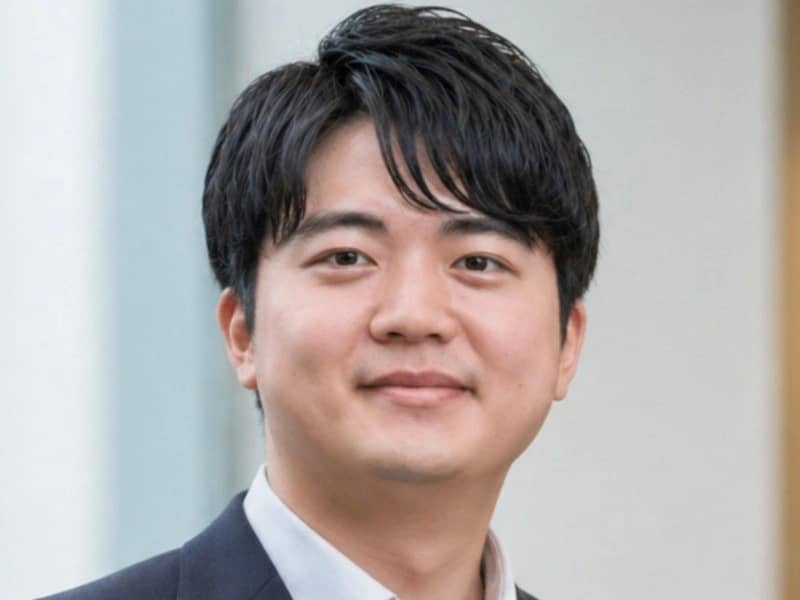
Yuta Tsurusaki is a software and blockchain engineer based in the San Francisco Bay Area and the co-founder and chief technology officer of Flovia, a company developing tools for how artificial intelligence agents find and select software services.[1][2]
Education
TYuta Tsurusaki studied Electrical Engineering at the National Institute of Technology, Nara, from 2013 to 2017. He later earned an Associate of Science degree in Computer Science from Highline College, where he studied from 2018 to 2022. [1]
Career
Blockchain Infrastructure
From 2021 to 2024, Tsurusaki was a founding engineer at Monobundle K.K. in Tokyo, where he led development of non-fungible token (NFT) infrastructure and application programming interfaces (APIs) using Node.js, TypeScript, and Solidity.[1][2] He designed backend systems, built the company’s Google Cloud Platform infrastructure, and operated production services for NFT workflows.[1]
Tsurusaki worked as a founding blockchain engineer at MYCEL LABS, FZCO, from 2023 to 2025, contributing to infrastructure and protocol systems across Ethereum Virtual Machine (EVM) and Cosmos ecosystems.[1][2] His work included smart contracts, backend services, validator and node operations, and cloud infrastructure, using Solidity, Rust, Go, and Amazon Web Services.[1]
In 2024, he worked as a Solidity developer at ANDLAW FZCO in Dubai, contributing to Futaba Protocol’s cross-chain infrastructure, smart contracts, and backend integrations for blockchain interoperability.[1][2] He joined Singapore-based HiveFi as a founding engineer in 2025, working on blockchain infrastructure, smart-contract integrations, and onchain analytics for decentralized finance and trading systems, particularly Hyperliquid.[1][2] At HiveFi, he built backend services, data pipelines, and operational tooling.[1]
Flovia
In 2026, Tsurusaki became co-founder and chief technology officer of Flovia, a company associated with Solana Colosseum C5.[1][2] Flovia is building an intelligence layer for how artificial intelligence (AI) agents discover, evaluate, and choose application programming interfaces (APIs) and Model Context Protocol (MCP) services.[1]
See something wrong?