0% read
Last updated:
Chinese Oil Asset Reserve
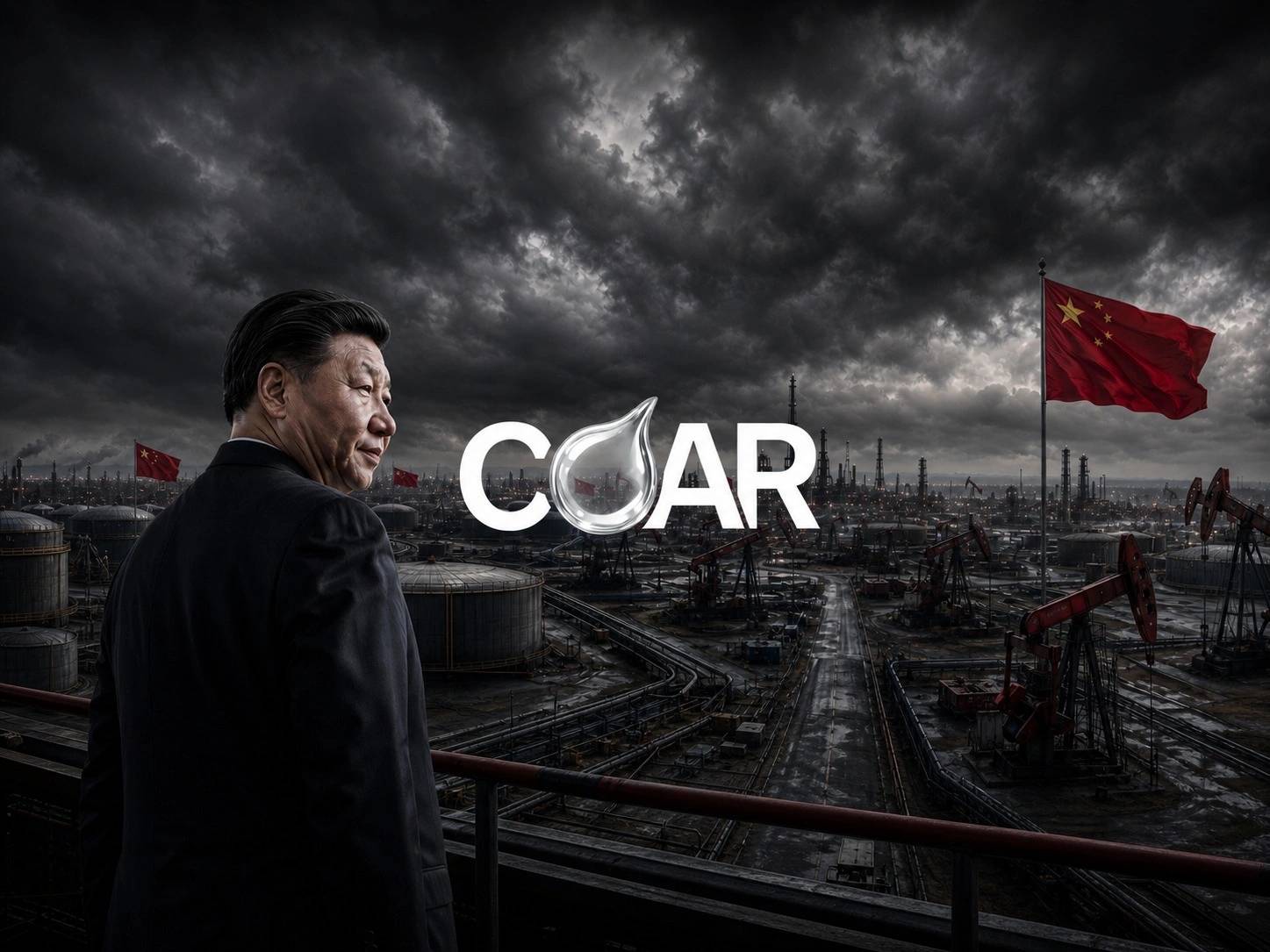
Chinese Oil Asset Reserve (COAR) is a Solana-based cryptoasset and project that markets itself as an “oil reserve protocol” offering thematic exposure to crude oil through an on-chain token. The project issues the COAR token on Solana and emphasizes a fair-launch, community‑owned approach, while also stating in its own materials that COAR is a speculative digital asset not backed by physical oil reserves or any government entity. [1] [2]
The token is issued on Solana using the Token‑2022 standard. Public materials and third‑party summaries attribute a 1 billion total supply and provide a published mint (contract) address for on‑chain verification. The project further claims that mint authority and freeze controls have been disabled, positioning COAR as a fixed‑supply token, though users are advised to verify these controls on-chain. [3] [2]
Compare Cryptoassets
Select an asset to compare its price and other stats against Chinese Oil Asset Reserve.
Technology
COAR operates on the Solana blockchain and is presented as a Token‑2022 standard asset. The published mint (contract) address for COAR is reported as CoARSp4P9Yr7MEnKMZE7chyAkK3mNbPFyArdQeMm9a1G, with a total token supply of 1,000,000,000 (1 billion) units. Third‑party write‑ups referencing on‑chain tools indicate the mint and freeze authorities are disabled or revoked, a configuration that, if confirmed, would prevent further token issuance or freezing. [3] [2]
Tokenomics
Project pages and independent summaries describe a token design that combines fixed supply and transaction‑level deflationary mechanics with staking and governance features. The site presents a distribution model in which liquidity, community incentives, team, strategic reserves, and marketing receive specified percentages that sum to 100%. In the same materials, a claimed 2% burn applies to each transaction, 30% of protocol revenue from transaction fees is allocated to stakers, and staking is advertised with an APY around 12%, with higher yields for longer lockups. The governance model is described as one token equaling one vote. These mechanics are project‑stated; users typically verify them by reviewing program code and on‑chain events once contracts are deployed. [2] [4]
The site’s allocation breakdown lists the following categories and percentages, with a 24‑month lock indicated for the team share: 40% to liquidity, 25% to community and airdrops, 15% to the team, 10% to strategic reserves, and 10% to marketing and growth. The same page presents governance, staking, and burn mechanics as central protocol features governing emissions, participation, and supply changes through transactional burns. [2]
COAR’s governance is described as token‑weighted, with one COAR equating to one vote, and a longer‑term intention to activate a governance module and transition toward a DAO‑like structure. The published roadmap groups governance activation with other Phase II items, reflecting a plan (rather than a completed deliverable) at the time of reporting. [2] [5]
Roadmap
The project organizes development into three named phases—Extraction (Phase I), Pipeline (Phase II), and Dominance (Phase III)—which collectively summarize launch, growth, governance, and aspirational features. The roadmap, as presented, is a plan without dated milestones in the cited materials:
- Phase I (“Extraction”) is described as active, including token launch on Solana (Token‑2022), deployment of a liquidity pool, community growth, initial holder milestones, and listings on major data aggregators. [5]
- Phase II (“Pipeline”) is presented as pending and includes staking protocol launch (12% APY), a revenue‑sharing mechanism, activation of a governance module, mid‑tier centralized exchange listings, and larger holder milestones. [5]
- Phase III (“Dominance”) is described as classified or aspirational, listing Tier‑1 exchange listings, a “real‑world oil reserve verification oracle,” cross‑chain bridging, institutional partnerships, and a full DAO transition. [5]
See something wrong?