0% read
Last updated:
Bitcoin (BTC)
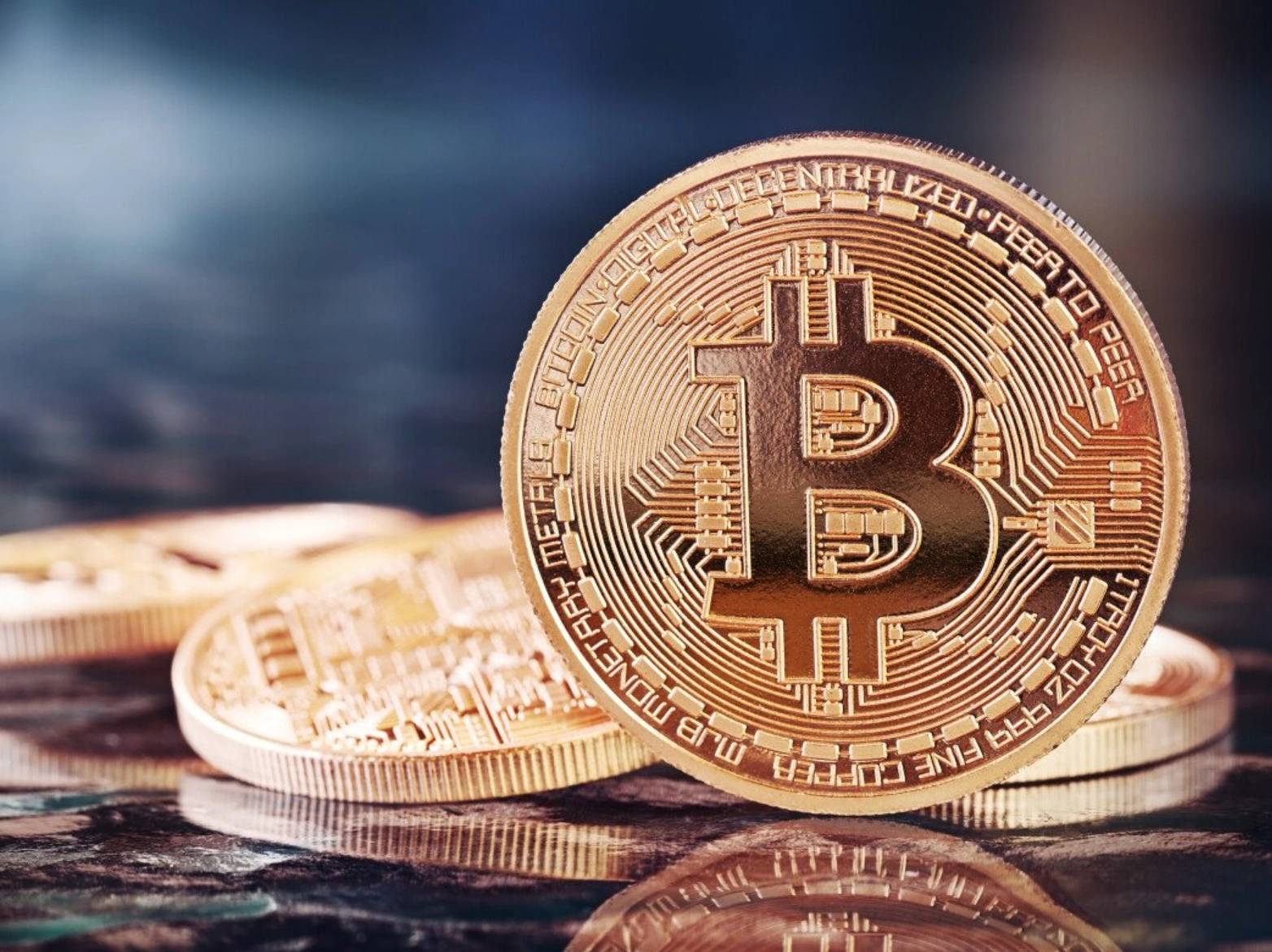
Bitcoin (BTC) is the native asset of the Bitcoin blockchain and it is the world's first digital currency without a central bank or administrator. It serves as a form of payment outside of the control of any one person, group, or entity. It is rewarded to blockchain miners for verifying transactions and can be purchased on various exchanges. Bitcoin was introduced to the public in 2009 by an anonymous developer or group of developers using the name Satoshi Nakamoto. [1][2]
Compare Cryptoassets
Select an asset to compare its price and other stats against Bitcoin (BTC).
History
2009: Introduction and Genesis Block
- January 3, 2009: The Genesis Block of Bitcoin was mined, marking the creation of the Bitcoin network. This block started the Bitcoin Network, and the supply of BTC is programmed to be capped at 21,000,000 coins. [6]
2009-2017: Early Adoption and Growth
- 2009-2017: During this period, Bitcoin gained popularity as a peer-to-peer payment method. Investors and speculators became interested in BTC, leading to the emergence of cryptocurrency exchanges that enabled people to buy and sell Bitcoin. Prices rose, and demand increased until the digital currency's value exceeded $1,000 in 2017. [3]
2020: Institutional Investments and Adoption
- October 2020: Square, a financial services company, announced a $50 million investment in Bitcoin, representing about 1% of its total assets at the time. [18]
- November 2020: PayPal enabled all users in the U.S. to buy, hold, and sell cryptocurrencies, including Bitcoin, directly from their PayPal accounts. [20]
- December 2020: MassMutual, a 169-year-old insurance company, invested $100 million in Bitcoin for its general investment account. [19]
2021: Taproot Upgrade
- November 2021: The Taproot upgrade was activated, introducing Schnorr signatures to enhance privacy and enabling more complex smart contracts. This upgrade improved Bitcoin's scalability and efficiency. [16]
2022: Market Volatility and Crashes
- May 2022: The collapse of the TerraUSD (UST) stablecoin led to panic among investors, causing Bitcoin's price to plummet. [12]
- June 2022: Bitcoin's value fell below $20,000 amid concerns about rising inflation and the potential for a recession. This downturn affected various cryptocurrency companies, leading to layoffs and causing further instability in the market. [12] [1]
2023: Bitcoin ETF Approval
- October 2023: The U.S. Securities and Exchange Commission (SEC) approved the first Bitcoin Exchange-Traded Fund (ETF), allowing investors to gain exposure to Bitcoin without directly holding the asset. [1] [2]
2024: Bitcoin's Price Surge and Strategic Developments
- January 2024: Spot Bitcoin ETFs began trading, marking a major advancement for the crypto industry by providing more accessible investment options for traditional investors.
- December 2024: Bitcoin's price surged past $100,000, driven by optimism over new crypto-friendly policies introduced by the Trump administration. [13]
- December 2024: BlackRock recommended that interested investors consider allocating as much as 2% of their portfolio to Bitcoin. [2]
2025: Strategic Bitcoin Reserve
- March 2025: President Trump signed an executive order establishing a Strategic Bitcoin Reserve, positioning the U.S. as the largest known state holder of Bitcoin with approximately 200,000 BTC.
Utility and Impact
Bitcoin was initially designed and released as a peer-to-peer payment method. Its use cases have since expanded due to its increasing value and competition from other blockchains and cryptocurrencies. Bitcoin is accepted by merchants, retailers, and stores as payment for goods and services. [3]
Bitcoin Mining
Bitcoins (BTCs) are created as a reward in a competition in which users offer their computing power to verify and record Bitcoin transactions onto the blockchain through proof-of-work. This activity is referred to as mining and successful miners are rewarded with transaction fees and newly created bitcoins. [5]
Institutional Investments and Adoption
In recent years, several major companies and institutions have made significant investments in Bitcoin, signaling growing confidence in its long-term value. MicroStrategy, a business intelligence firm, has been a notable proponent, investing heavily in Bitcoin as a primary treasury reserve asset. [17]
Taproot Upgrade Details
The Taproot upgrade, activated in November 2021, brought several key changes to the Bitcoin network. It introduces Schnorr signatures, which make multi-signature transactions unreadable, enhancing privacy by making complex transactions indistinguishable from simple ones. [16]
Environmental Concerns and Mining
Bitcoin mining's environmental impact remains a topic of debate. In 2023, several mining companies announced initiatives to use renewable energy sources, aiming to reduce the carbon footprint associated with Bitcoin mining. This shift is part of a broader trend towards sustainable practices in the cryptocurrency industry.
Bitcoin and Financial Freedom
In 2022, Bitcoin gained attention as a tool for financial freedom during the Canadian "Freedom Convoy" protests. The Canadian government froze bank accounts linked to the protests, leading supporters to turn to Bitcoin and other cryptocurrencies to fund the movement. This event highlighted Bitcoin's potential as a censorship-resistant financial tool. [3] [11]
See something wrong?