0% read
Last updated:
Sam Tabar
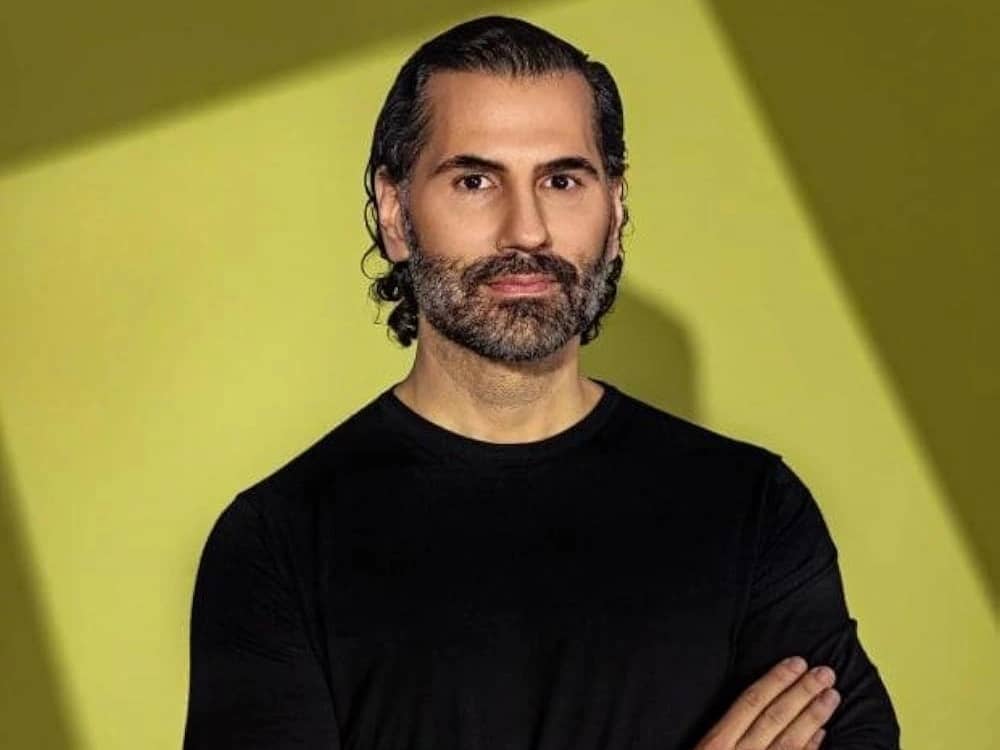
Sam Tabar is an American attorney and business executive who has held leadership positions in traditional finance and the digital asset industry. He is the Chief Executive Officer of Bit Digital, Inc., where he led a strategic pivot from Bitcoin mining to establishing the company as a major public holder of Ethereum. He also serves as CEO of WhiteFiber, a Bit Digital subsidiary focused on artificial intelligence (AI) and high-performance computing (HPC) infrastructure. [2]
Education
Tabar attended the University of Oxford, where he graduated in 2000 with a Bachelor of Arts in Jurisprudence. Following his undergraduate studies, he moved to the United States and enrolled at Columbia Law School. He earned his Master of Laws (LL.M.) in 2001. During his time at Columbia, he served as an associate editor of the Columbia Business Law Journal. [1]
Career
Tabar began his career as an attorney at Skadden, Arps, Slate, Meagher & Flom LLP in New York from 2001 to 2004. In 2003, he joined SPARX Group in Tokyo as Managing Director and Co-Head of Institutional Marketing Strategy, a position he held until 2011. He later served as Director and Head of Capital Strategy (APAC) at Merrill Lynch in Hong Kong from 2011 to 2013, focusing on capital strategy and prime brokerage advisory services.
In 2017, Tabar co-founded Fluidity, a financial technology company that developed blockchain-based products, including the decentralized exchange AirSwap. The company was later acquired by ConsenSys in 2020. During this period, he was involved in corporate strategy, strategic planning, regulatory coordination, and external communications. From 2020 to 2023, he served as Managing Director at Centerboard Securities in New York, advising on institutional capital raising for private equity, private credit, venture capital, and select private placements.
Tabar joined Bit Digital in 2021 as Chief Strategy Officer and served in that role until 2023, after which he became Chief Executive Officer, a position he has held since 2023. In 2025, he was appointed Chief Executive Officer of WhiteFiber (NASDAQ: WYFI), overseeing a business focused on colocation data centers and cloud services for artificial intelligence and high-performance computing applications in the United States and Canada. [3]
Interviews
Best Trades
In an interview on The Rollup podcast in October 2025, Tabar reflected on his journey within the cryptocurrency space, emphasizing his strong belief that Ethereum represented the best trade of the decade. He recounted how, despite the turbulent market conditions, Bit Digital maintained robust stock performance by shifting focus from Bitcoin mining to holding Ethereum as a core asset. Tabar detailed his background, from his early career in law to co-founding an Ethereum company that successfully tokenized real estate. He highlighted how his shift to positioning Bit Digital as an Ethereum-oriented company, alongside their AI subsidiary, White Fiber, gave them a unique advantage in the market. He noted that Ethereum's capabilities to reshape the financial system outweighed Bitcoin's, calling Bitcoin an inferior technology. The interview concluded with Tabar expressing optimism about the future of Ethereum, driven by regulatory clarity and increased development activity, while also sharing the enthusiasm he observed among attendees at a recent major cryptocurrency conference, reinforcing his commitment to advancing both Ethereum and AI technologies. [4]

Bit Digital Q2
On the McNallie Money podcast, Tabar discussed Bit Digital's Q2 earnings and its strategic shift towards Ethereum, marking a transformative year for the organization. Bit Digital had exited the Bitcoin mining business and was focusing on building an extensive Ethereum treasury, having significantly increased its Ethereum holdings to over 120,000 ETH. During the interview, Tabar acknowledged the challenges faced in simplifying the company's narrative and the profitability issues associated with Bitcoin mining, which he deemed unsustainable. He emphasized the advantages of Ethereum's technology, particularly its smart contracts, and outlined plans to derive long-term shareholder value through disciplined accumulation and staking of Ethereum. The conversation also touched on White Fiber's recent IPO, a digital infrastructure play, and how proceeds from its eventual monetization would support Bit Digital's Ethereum strategy. Tabar encouraged patience from investors as the company continued to develop and positioned itself as a leader in the Ethereum space. [5]

Ditching Bitcoin Mining
On the Bankless podcast in July 2025, Tabar recounted a meeting with Bitcoin advocate Michael Saylor, where Saylor urged Tabar to focus on Bitcoin mining, but Tabar expressed his ambition to lead an Ethereum treasury business instead, which caused tension. As the CEO of Bit Digital, Tabar championed Ethereum's superior potential to revolutionize the financial system through its smart contracts and established a dedicated ETH treasury company that quickly became a major player in the market. He observed that regulatory clarity and increasing adoption were setting the stage for Ethereum's growth, especially as traditional investors sought ways to engage with the asset. Tabar discussed the competitive landscape among ETH treasury companies and underscored the importance of their approach to financial engineering, aiming to maximize yield through active staking and other strategies, and distinguished Bit Digital for its established business foundation and commitment to Ethereum as a transformative force. [7]

Going All Ethereum
On the Unchained podcast in July 2025, Tabar revealed a strategic shift away from Bitcoin toward Ethereum, driven by improvements in the legal landscape and the belief that Ethereum holds greater growth potential. He highlighted the difficulties posed by former SEC chair Gary Gensler's aggressive scrutiny of Ethereum projects, which had overshadowed the platform's value until recently. The company committed 30 million from Bitcoin sales, to establish an Ethereum treasury, recognizing that Ethereum's regulatory clarity and its growing application ecosystem position it favorably compared to Bitcoin. Tabar emphasized Ethereum's unique programming capabilities and the influx of developers and institutional interest, which they believe will enhance its value. Additionally, he outlined plans for financial engineering and aggressive purchasing of Ethereum, while continuing to profit from Bitcoin mining until its viability ceases. This transition reflects a broader trend in the crypto landscape, suggesting that as Ethereum gains traction, its potential for mainstream adoption and financial utility is likely to increase significantly. [6]

See something wrong?
Official Website:
Social Profiles: