0% read
Last updated:
Token Migration
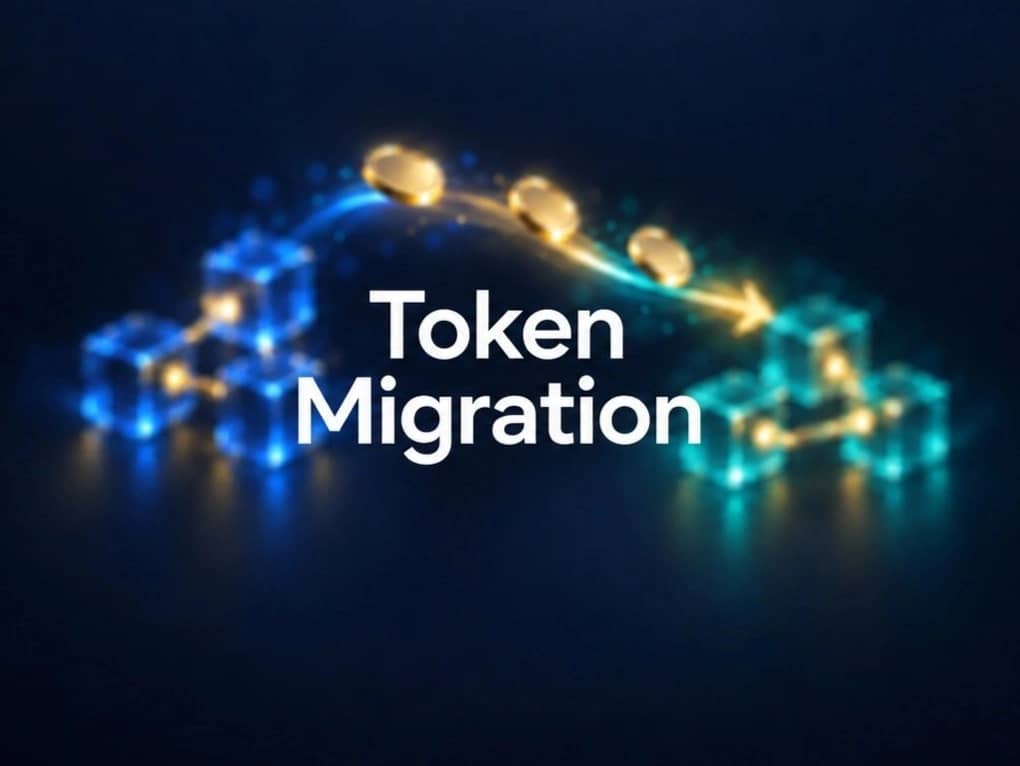
Token migration, also called a token swap, is the transfer of tokens and their associated holder balances from one blockchain to another as a project changes blockchains or protocols.[1][2]
It may accompany the launch of a project’s own blockchain, a move between third-party blockchains, or a change in protocol; it does not necessarily involve a newly launched blockchain.[1]
Reasons and Context
Projects may migrate to address transaction speed, fees, operating costs, performance, or security, or to adopt newer technology and tailor applications to their users.[2]
A project may also move because its blockchain plans have changed or because it is switching protocols.[1][2]
A common pattern is for a project whose own blockchain is not yet available to issue tokens on an existing platform and migrate them later. During the 2018 initial coin offering boom, many projects issued ERC-20 tokens on Ethereum while developing technologies that they intended to run on their own blockchains. This let investors trade the tokens while development continued, without locking up their funds.[1]
Migration Process
A migration generally follows a project decision to move and requires planning for holders to exchange or transfer their tokens. Depending on the project, the exchange may happen automatically or holders may need to follow instructions from the project team.[2]
Holders who keep tokens in personal wallets may need to initiate the migration through a project-provided method associated with their wallet address.
When tokens are held on a major cryptocurrency exchange, the exchange may handle the transfer for its customers.[1] Clear communication, holder education and support, and security measures are important to managing the process and reducing disruption and loss of trust.[2]
Examples
See something wrong?